Permafrost is any ground that remains completely frozen—32°F (0°C) or colder—for at least two years straight. These permanently frozen grounds are most common in regions with high mountains and in Earth’s higher latitudes—near the North and South Poles.
Permafrost covers large regions of the Earth. Almost a quarter of the land area in the Northern Hemisphere has permafrost underneath. Although the ground is frozen, permafrost regions are not always covered in snow. Permafrost is made of a combination of soil, rocks and sand that are held together by ice. The soil and ice in permafrost stay frozen all year long.
Near the surface, permafrost soils also contain large quantities of organic carbon—a material leftover from dead plants that couldn’t decompose, or rot away, due to the cold. Lower permafrost layers contain soils made mostly of minerals.
How Does Climate Change Affect Permafrost?
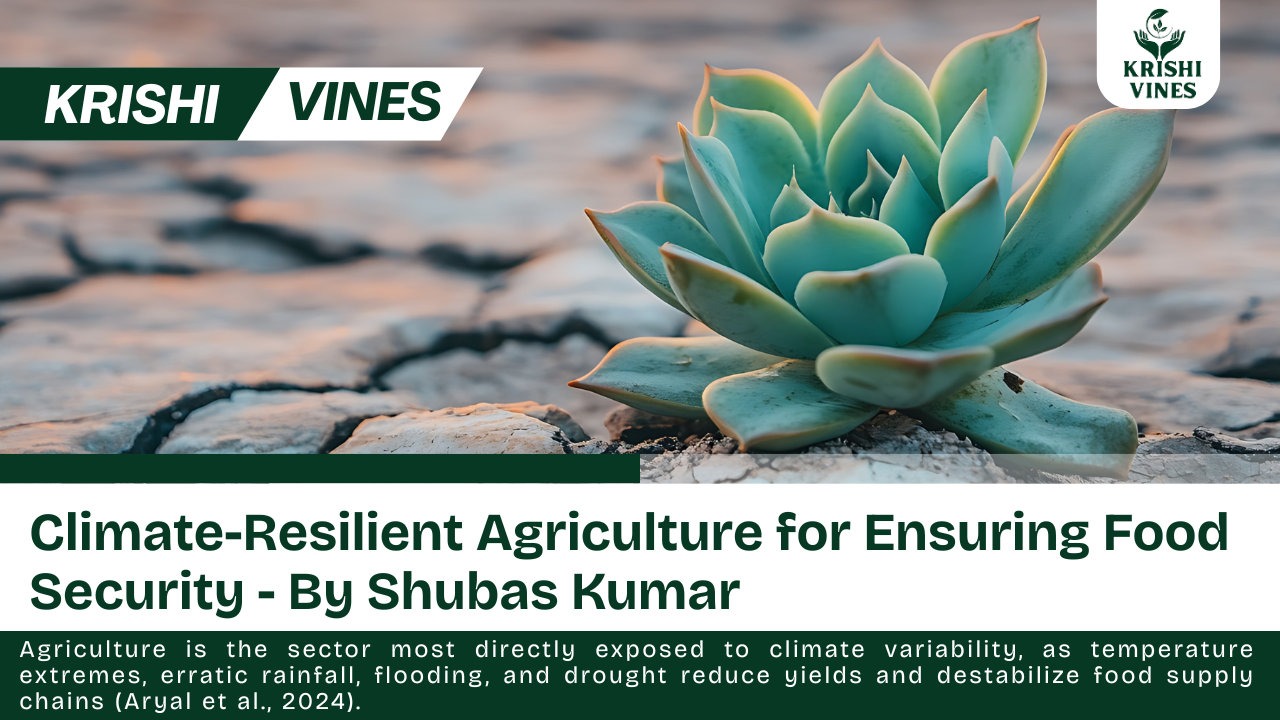
As Earth’s climate warms, the permafrost is thawing. That means the ice inside the permafrost melts, leaving behind water and soil. Permafrost, which covers about 24% of the Earth’s landmass, has historically acted as a carbon sink, trapping vast amounts of carbon dioxide and methane. However, as it thaws, these greenhouse gases are released into the atmosphere, exacerbating climate change in a dangerous feedback loop. According to recent studies, permafrost regions are warming at a rate nearly four times faster than the global average, accelerating the melting process and disrupting ecosystems that have evolved in stable, cold environments.
The Melting Permafrost Crisis
Many northern villages are built on permafrost. When permafrost is frozen, it’s harder than concrete. However, thawing permafrost can destroy houses, roads and other infrastructure.
When permafrost is frozen, plant material in the soil—called organic carbon—can’t decompose, or rot away. As permafrost thaws, microbes begin decomposing this material. This process releases greenhouse gases like carbon dioxide and methane to the atmosphere and accelerate climate change.
When permafrost thaws, so do ancient bacteria and viruses in the ice and soil. These newly-unfrozen microbes could make humans and animals very sick. Scientists have discovered microbes more than 400,000 years old in thawed permafrost.
How Permafrost Melting Impacts Agrobiodiversity
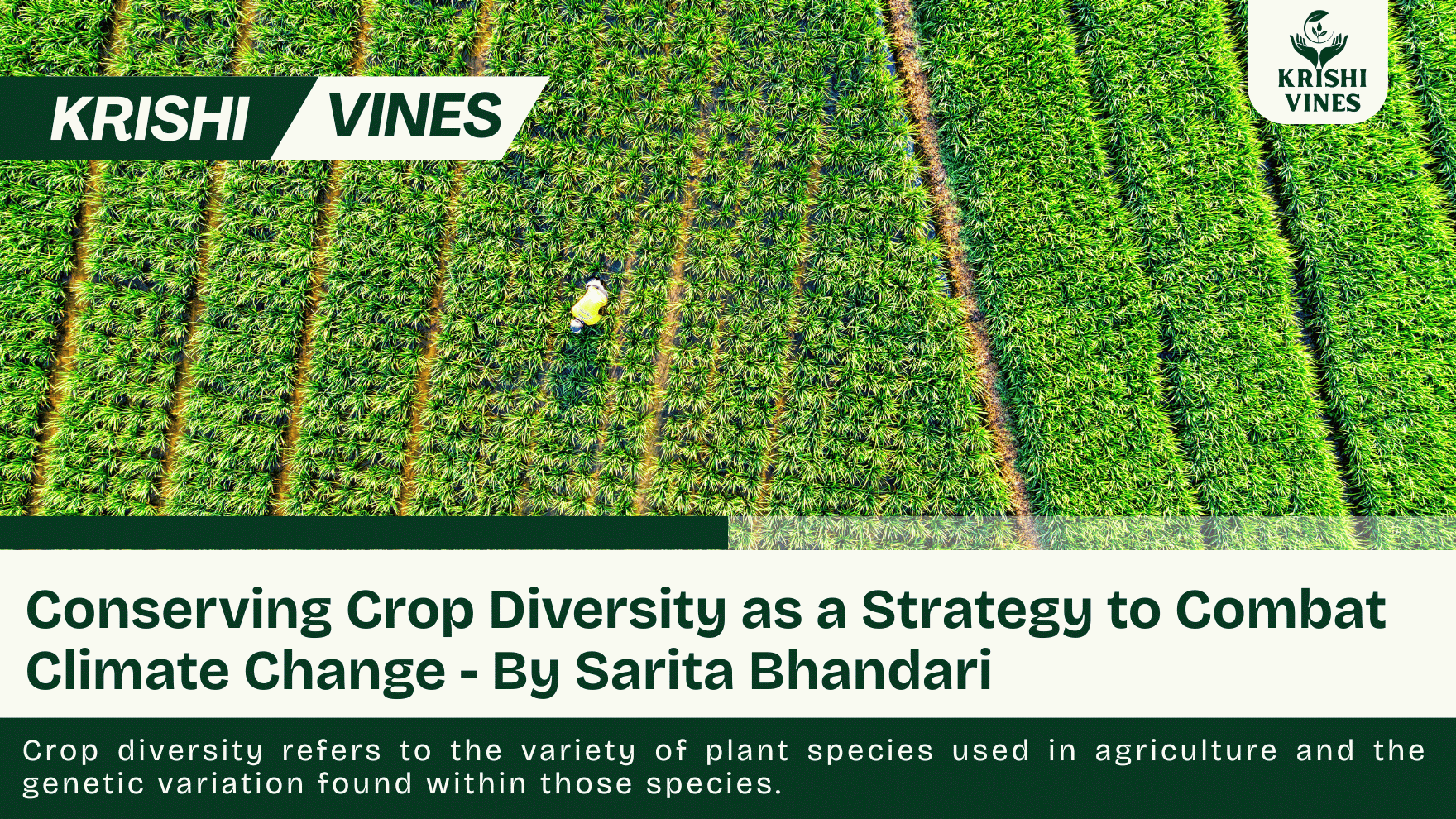
Agrobiodiversity refers to the variety of crops, livestock, and microorganisms that contribute to agricultural productivity and ecological resilience. The melting permafrost threatens this diversity in several ways:
- Loss of Indigenous Crops: Many indigenous communities in Arctic and sub-Arctic regions rely on traditional crops that have adapted to cold climates over centuries. The changing soil composition and warmer temperatures caused by melting permafrost make it increasingly difficult to grow these crops, leading to a decline in the varieties of plants that contribute to global agrobiodiversity.
- Invasion of Non-native Species: Warmer temperatures and changes in soil conditions open the door for non-native species, both plant and animal, to invade previously cold regions. These invasive species often outcompete native crops and livestock, leading to a loss of biodiversity. This shift not only endangers local food systems but also reduces the genetic diversity needed for resilience against pests and diseases.
- Disruption of Pollination and Soil Microbial Communities: The melting of permafrost disrupts the delicate balance of ecosystems. Soil microbial communities, which play a vital role in nutrient cycling and plant health, are especially vulnerable. As the permafrost thaws, waterlogged soils and the release of previously frozen organic matter create conditions that alter microbial populations, negatively affecting crop productivity. Additionally, the loss of key pollinators due to changing habitats threatens the reproduction of many agricultural plants, further diminishing agrobiodiversity.
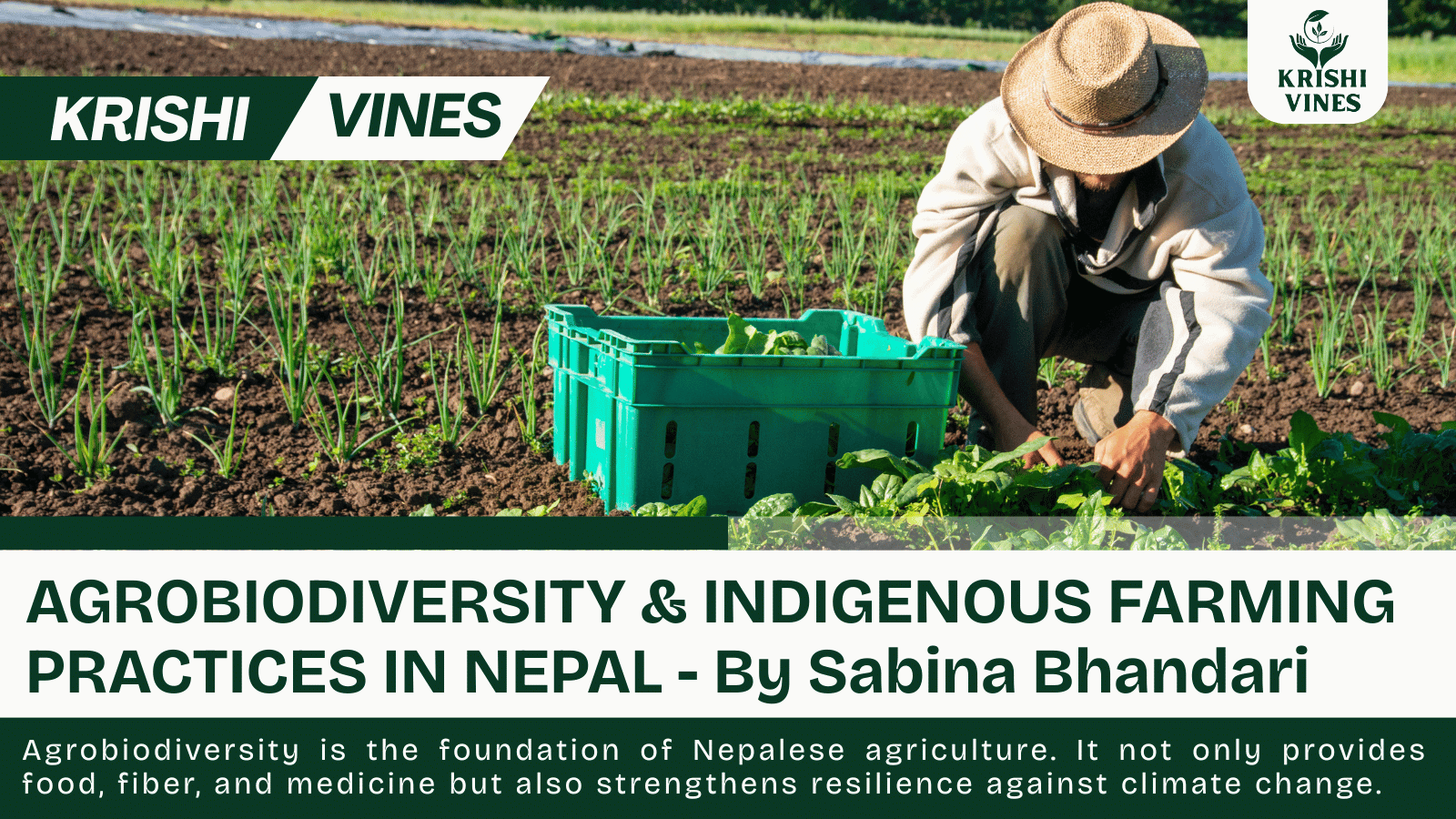
The permafrost regions of the Arctic, while seemingly remote, play a pivotal role in maintaining the global climate balance. Their thawing not only contributes to rising sea levels and extreme weather patterns but also threatens to destabilize the agricultural systems that feed the world. Indigenous farming systems, which have evolved to be highly specialized and climate-resilient, are particularly at risk, and their loss would mean the disappearance of unique genetic resources that could help us adapt to future environmental challenges.
What Can Be Done?
Addressing the threat of permafrost melting requires urgent global action. Limiting global temperature rise through ambitious climate action is the most effective way to slow permafrost thawing. In addition, preserving agrobiodiversity through seed banks, conservation programs, and supporting indigenous farming practices is crucial. Governments, researchers, and local communities must collaborate to find sustainable agricultural practices that can adapt to the rapidly changing climate.
References
Lunardini, V. J. (1996). Climatic warming and the degradation of warm permafrost. Permafrost and Periglacial Processes, 7(4), 311-320.
Wickland, K. P., Striegl, R. G., Neff, J. C., & Sachs, T. (2006). Effects of permafrost melting on CO2 and CH4 exchange of a poorly drained black spruce lowland. Journal of Geophysical Research: Biogeosciences, 111(G2).
Colucci, R. R., & Guglielmin, M. (2019). Climate change and rapid ice melt: Suggestions from abrupt permafrost degradation and ice melting in an alpine ice cave. Progress in Physical Geography: Earth and Environment, 43(4), 561-573.
Schuur, E. A., & Abbott, B. (2011). High risk of permafrost thaw. Nature, 480(7375), 32-33.
Walvoord, M. A., & Kurylyk, B. L. (2016). Hydrologic impacts of thawing permafrost—A review. Vadose Zone Journal, 15(6), vzj2016-01.