Introduction
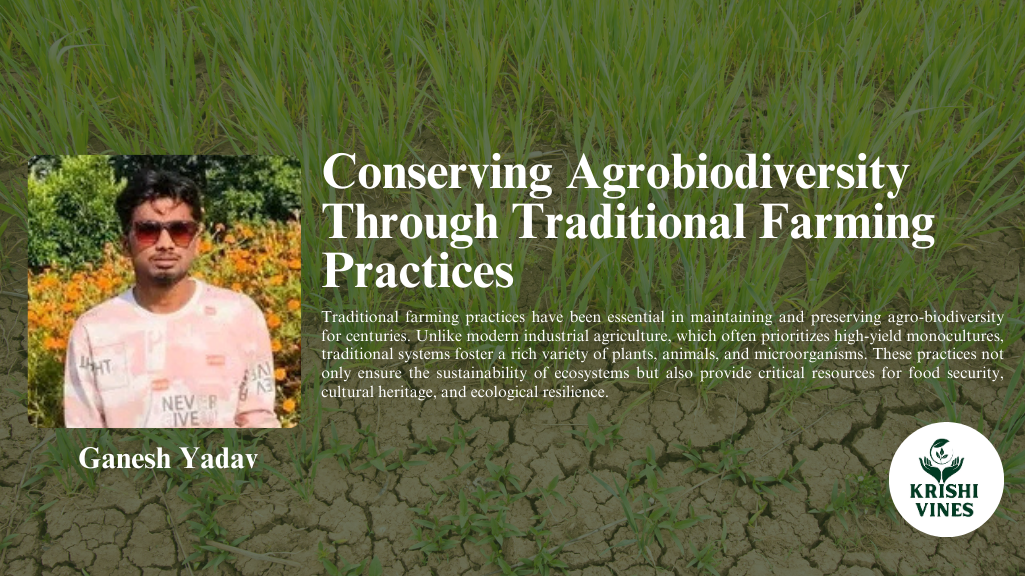
Traditional farming practices have been essential in maintaining and preserving agro-biodiversity for centuries. Unlike modern industrial agriculture, which often prioritizes high-yield monocultures, traditional systems foster a rich variety of plants, animals, and microorganisms. These practices not only ensure the sustainability of ecosystems but also provide critical resources for food security, cultural heritage, and ecological resilience.
This article explores how traditional farming practices contribute to the conservation of agro-biodiversity and why these practices are essential for sustainable agriculture in the face of climate change and modern challenges.
The Role of Traditional Farming in Preserving Agro-Biodiversity
- Crop Diversity Traditional farming systems often involve polycultures, where multiple crops are grown together in the same field. This practice enhances agro-biodiversity by encouraging the coexistence of different plant species, each contributing to the overall health of the ecosystem. Crop diversity reduces the reliance on external inputs such as fertilizers and pesticides and provides natural resistance to pests and diseases.
- Use of Indigenous Varieties Many traditional farmers use indigenous crop varieties and landraces that have been cultivated for generations. These varieties are typically better adapted to local environmental conditions, such as soil types, rainfall patterns, and climate variations. The continued cultivation of these diverse varieties ensures that their genetic resources are preserved for future use, especially in the face of climate change and evolving agricultural challenges.
- Animal Husbandry Practices In traditional farming systems, livestock is often integrated into crop production. Animals contribute to maintaining biodiversity by providing manure for soil fertility, grazing on natural vegetation, and acting as a genetic reservoir of diverse breeds. These practices maintain local livestock breeds that are well-suited to specific ecological zones, thereby contributing to the conservation of animal biodiversity.
Agro-Ecological Techniques in Traditional Farming
- Agroforestry Systems Traditional agroforestry practices integrate trees with crops and livestock, creating a multi-layered system that supports a variety of species. The trees provide shade, prevent soil erosion, and improve water retention, while the diverse plant and animal species create a balanced ecosystem. This method promotes biodiversity by maintaining natural habitats for beneficial insects, birds, and other wildlife.
- Crop Rotation and Intercropping Crop rotation and intercropping are common in traditional farming, helping to improve soil fertility and reduce the prevalence of pests. By rotating crops and planting complementary species together, farmers can naturally enrich the soil and enhance biological interactions between different plants and microorganisms, promoting overall farm biodiversity.
- Low-Input Sustainable Agriculture Traditional farming is typically low-input, meaning farmers use fewer chemical fertilizers, pesticides, and herbicides compared to industrial systems. This reduces environmental degradation and allows natural biodiversity to thrive. Additionally, traditional pest control methods, such as the use of natural repellents and beneficial insects, help maintain a healthy ecosystem without disrupting biodiversity.
The Importance of Indigenous Knowledge
Traditional farming practices are deeply rooted in indigenous knowledge systems that have been passed down through generations. This knowledge includes understanding the interactions between plants, animals, and the environment, allowing for the sustainable management of agricultural ecosystems. Indigenous knowledge plays a vital role in conserving agro-biodiversity by:
- Preserving Crop Varieties: Farmers possess extensive knowledge about local crops and their uses, helping to ensure the continued cultivation of diverse species.
- Natural Resource Management: Indigenous practices often focus on the conservation of natural resources, including water, soil, and forests, all of which contribute to maintaining biodiversity.
- Climate Resilience: Traditional farming practices are often adapted to specific climatic conditions, making them more resilient to changing weather patterns, which is increasingly important as the climate shifts.
Threats to Traditional Farming and Agro-Biodiversity
Despite the benefits, traditional farming practices are under threat from modern agricultural systems, globalization, and land-use changes. The expansion of monocultures, use of genetically modified crops, and market pressures for high-yield varieties have led to the erosion of agro-biodiversity. As traditional farmers face challenges such as land degradation, changing climate patterns, and loss of access to their land, their ability to continue these sustainable practices is compromised.
Conservation Efforts and Global Importance
- Promoting Community-Based Conservation Empowering local communities to conserve traditional practices is essential for maintaining agro-biodiversity. This can be done through farmer cooperatives, knowledge-sharing networks, and financial incentives that support the continuation of traditional farming.
- Integrating Traditional Practices in Modern Agriculture Combining traditional and modern agricultural techniques can offer a balanced approach to farming. Agroecology, for example, blends indigenous knowledge with scientific methods to create resilient, diverse, and productive farming systems. Governments and NGOs can play a crucial role in promoting this integration to ensure both food security and biodiversity conservation.
- Policy Support for Traditional Farming Governments and international organizations can help conserve agro-biodiversity by implementing policies that support traditional farming systems. This includes providing legal protections for indigenous lands, financial incentives for farmers who use sustainable practices, and promoting seed banks that store indigenous crop varieties for future generations.
Conclusion
Conserving agro-biodiversity through traditional farming practices is not only vital for ecological health but also for the sustainability of global food systems. These practices protect genetic diversity, support ecosystems, and enhance resilience to climate change. By recognizing the value of indigenous knowledge and integrating it with modern techniques, the world can take a significant step toward achieving sustainable agriculture and securing the future of our food supply.