Agrobiodiversity and decomposer insects are deeply interconnected, playing crucial roles in the health and sustainability of agricultural ecosystems. Decomposer insects such as termites, flies, and beetles play a crucial role in agrobiodiversity by contributing to essential ecological processes like nutrient cycling, soil health improvement, and organic matter breakdown. Their activities directly influence the biodiversity of agricultural ecosystems, making them key agents in maintaining the balance and productivity of these systems. Their presence and activity are essential for sustainable agriculture and the long-term productivity of farming systems.
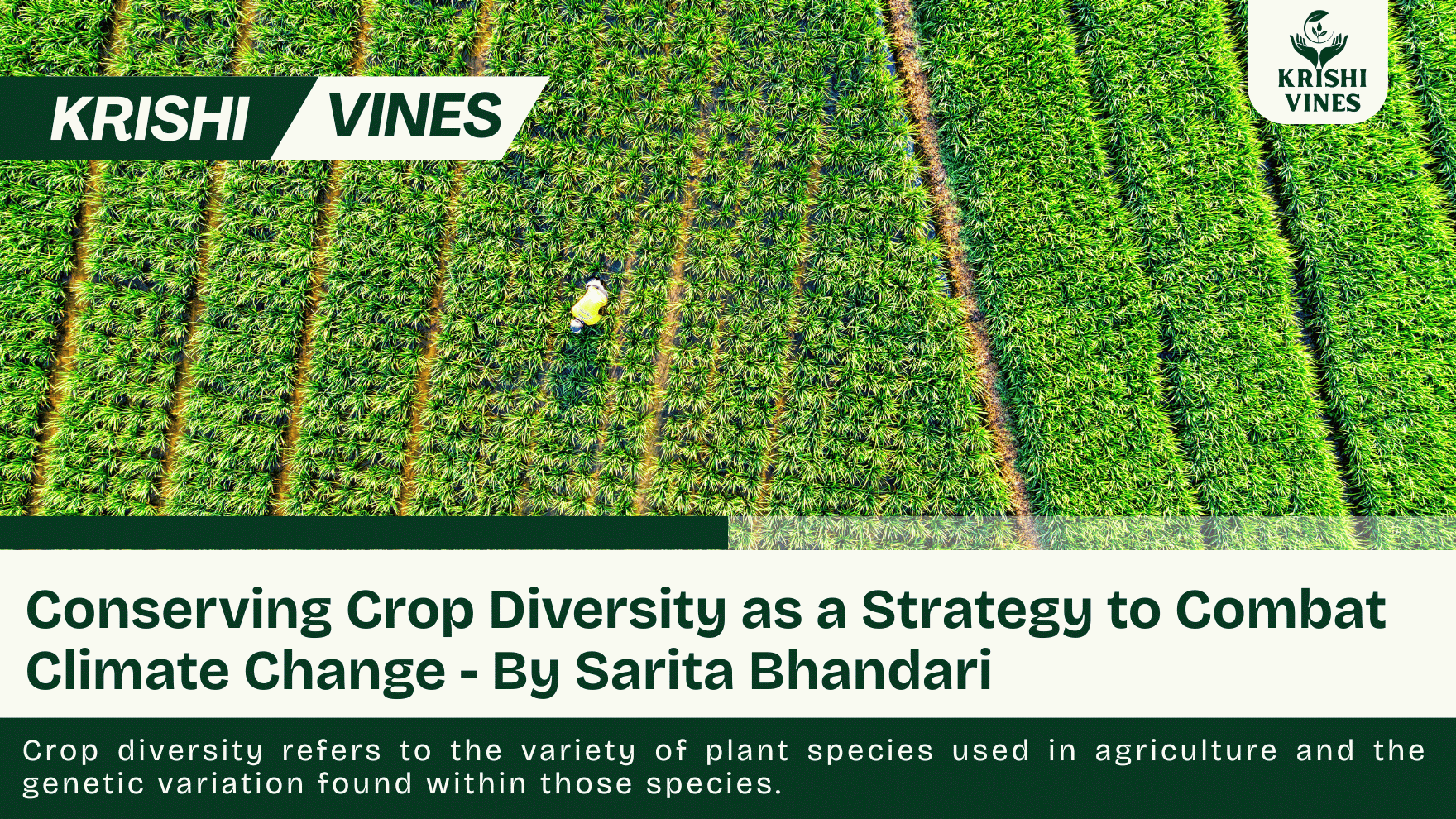
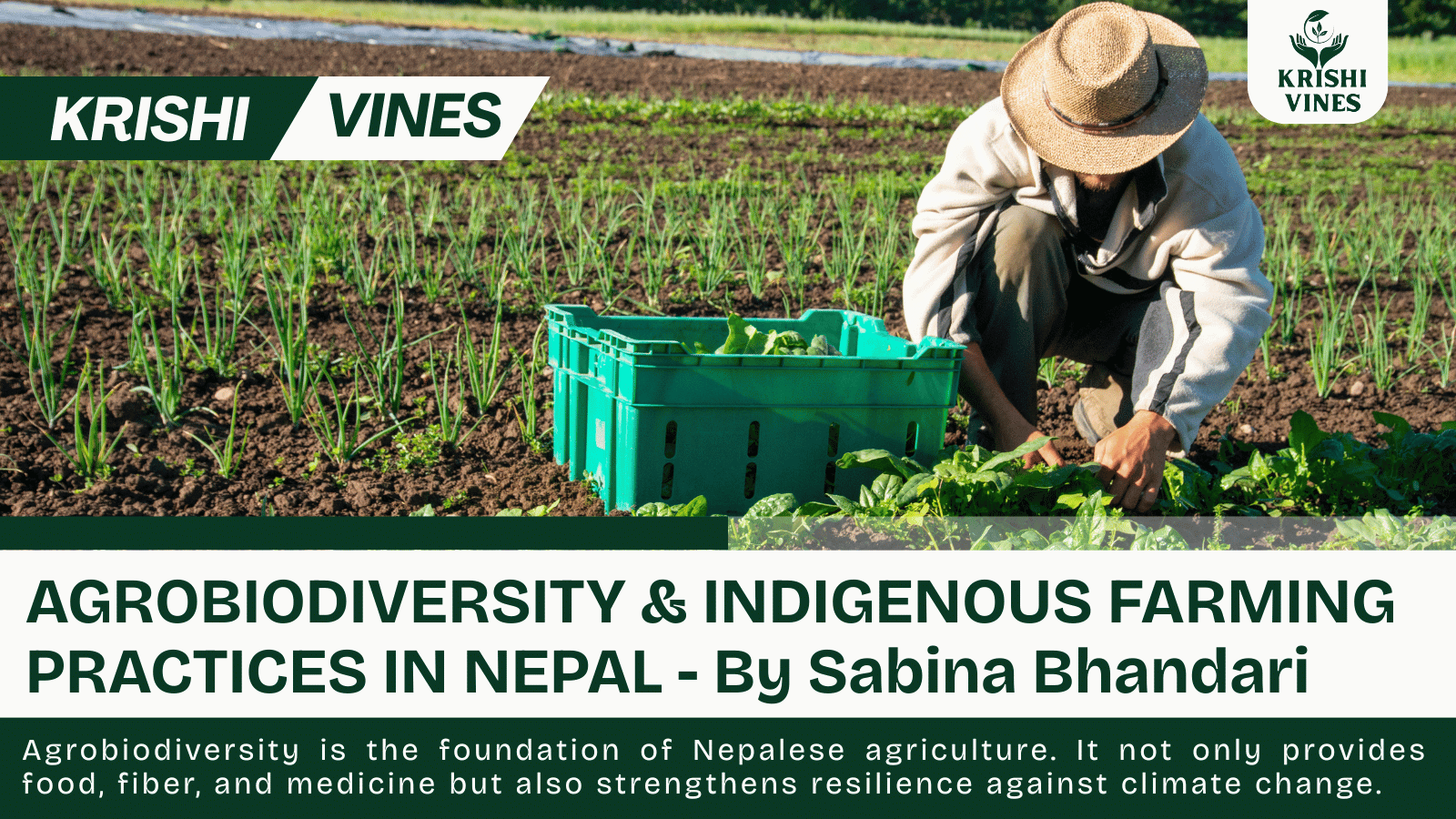
Agrobiodiversity refers to the variety and variability of life forms within agricultural systems, including crops, livestock, soil organisms, and the ecosystems that support them. Decomposer insects are a key group within these systems, which contribute significantly to soil health and crop productivity. This article explores the synergistic relationship between agrobiodiversity and decomposer insects, highlighting their combined impact on agricultural sustainability.
Understanding Agrobiodiversity
Agrobiodiversity encompasses the genetic diversity of cultivated plants and domesticated animals, as well as the variety of ecosystems and agricultural practices. This diversity is crucial for several reasons:
- Resilience to pests and diseases: Agrobiodiversity – a variety of plants, animals, and microorganisms in agricultural systems—plays a crucial role in enhancing resilience to pests and diseases. It is a powerful ally in the fight against pests and diseases in agriculture. By incorporating a diverse array of crops and supporting beneficial organisms, farmers can create resilient agricultural systems that withstand pest pressures and contribute to sustainable food production.
- Nutrient Cycling: Agrobiodiversity significantly enhances nutrient cycling, crucial for sustainable agriculture and food security. Diverse soil organisms, including bacteria, fungi, and earthworms, improve soil health by facilitating nutrient uptake and carbon cycling, which supports crop productivity. Increased plant diversity allows for more efficient nutrient use, as different species access nutrients from various soil depths.
- Ecosystem Services: Agrobiodiversity refers to the variety of life in agricultural systems, encompassing genetic resources, species, and ecosystems. It plays a crucial role in providing ecosystem services such as nutrient cycling, pest regulation, and pollination, which are essential for sustainable agriculture and food security. By enhancing resilience against climate change and supporting ecosystem functions, agrobiodiversity contributes to improved agricultural productivity and environmental health.
- Climate Adaptation: Agrobiodiversity plays a vital role in climate adaptation by enhancing resilience in agricultural systems. It provides a diverse genetic pool that enables crops and livestock to withstand environmental stresses such as drought, pests, and changing temperatures.
- Genetic Resources: Agrobiodiversity is vital for conserving genetic resources essential for food security. It encompasses the variety of plants and animals used in agriculture, which supports resilience against climate change and pests. Gene banks play a crucial role by preserving crop wild relatives and diverse varieties, enabling the development of resilient strains for future challenges
- Food Security: Agrobiodiversity enhances the resilience of agricultural systems. A diverse gene pool allows crops and livestock to adapt to climate change and environmental stresses, ensuring stable food production. It supports nutritional health by providing a variety of foods that meet dietary needs.
- Sustainable Practices: Agrobiodiversity encompasses the variety of crops, livestock, and microorganisms essential for ecosystem functions like pollination and soil fertility. By promoting diverse farming systems, agrobiodiversity improves productivity and nutrition while mitigating environmental impacts. Its conservation ensures a stable food supply and supports local livelihoods, making it a cornerstone of sustainable development in agriculture.
The Role of Decomposer Insects
Decomposer insects, such as earthworms, beetles, flies, termites and certain larvae, play a crucial role in breaking down organic matter. Their activities contribute to several key processes:
- Organic Matter Decomposition: Decomposer insects such as beetles, ants, and termites, feed on dead plant material and animal remains, breaking them down into simpler substances. This process enriches the soil with organic matter, which is vital for soil fertility.
- Nutrient Recycling: As decomposer insects break down organic materials, they release essential nutrients like nitrogen, phosphorus, and potassium back into the soil, making them available for plant uptake. Decomposer insects, like beetles, ants, and termites, help convert dead matter into nutrients that enrich the soil. This process supports plant growth and maintains soil health.
- Soil Aeration: As these insects burrow and move through the soil, they create channels that improve aeration and water infiltration, promoting a healthier root environment for plants.
- Soil Aggregation and Soil Structure Improvement: The physical activity of decomposer insects can lead to the formation of soil aggregates. These aggregates improve soil structure by enhancing porosity and water retention, which helps prevent erosion and compaction. The activities of decomposer insects such as burrowing enhance soil aeration and water infiltration, creating a more favorable environment for root growth.
- Biodiversity Support: By decomposing organic material, these insects contribute to the overall biodiversity of the ecosystem. Their activities create habitats for other organisms and promote a balanced food web.
- Disease Regulation: Decomposing matter can harbor pathogens. By breaking down and consuming dead material, decomposer insects help reduce the spread of diseases. Some decomposer insects, such as certain beetles and ants, feed on fungal spores and other pathogens. By consuming these harmful organisms, they help control their populations and reduce disease incidence.
- Food Source: Decomposer insects are high in protein and other essential nutrients, making them an excellent food source for animals. Their nutritional value supports the growth and health of various consumers in the food chain. They serve as a food source for various predators, including birds, mammals, and other insects, contributing to the food chain.
- Facilitates Microbial Activity: Decomposing insects contributes to the development of a diverse soil microbiome. Their activities create habitats for beneficial microorganisms, which further enhance soil fertility and health. Insect activities enhance soil aeration and moisture retention, promoting beneficial microbial communities that further aid decomposition
- Carrion and Waste Management: Decomposer insects, such as carrion beetles, flies, and other scavengers, play an essential role in ecosystems by managing waste and aiding in nutrient cycling. These insects specialize in breaking down organic materials, including dead animals (carrion) and plant matter, recycling essential nutrients back into the environment.
The Synergistic Relationship
The relationship between agrobiodiversity and decomposer insects is inherently synergistic. Diverse cropping systems provide habitats that support a wide range of decomposer species. In turn, the presence of these insects fosters soil health, leading to improved crop productivity.
- Habitat Diversity: Different crops and their accompanying root structures create varied microhabitats that attract different decomposer species. This biodiversity enhances the overall effectiveness of decomposition and nutrient cycling.
- Pest Management: Diverse agricultural systems can reduce pest populations by promoting beneficial insect communities, which include natural predators of crop pests. Healthy decomposer insect populations can contribute to this balance by enhancing soil health and supporting plant vigor.
- Resilience to Environmental Stressors: Healthy soils rich in decomposer activity support more resilient crops, while diverse plant species help sustain decomposer populations by offering varied habitats and resources throughout the year.
- Carbon Sequestration: The diversity of plant species in agrobiodiverse systems increases the availability of organic matter for decomposers, who in turn contribute to long-term carbon storage in soils.
- Enhanced Productivity: Studies have shown that farms with higher agrobiodiversity often experience increased yields and better crop quality. This is largely due to improved soil health, which is facilitated by the activities of decomposer insects.
Implications for Sustainable Agriculture
The synergistic relationship between agrobiodiversity and decomposer insects presents significant implications for sustainable agriculture:
- Reduced Chemical Inputs: By fostering natural decomposition processes and promoting nutrient cycling, farmers can reduce reliance on synthetic fertilizers and pesticides, leading to more sustainable farming practices.
- Climate Resilience: Diverse agricultural systems are more resilient to the impacts of climate change, such as extreme weather events. Healthy soils contribute to better water retention and improved crop performance under stress conditions.
- Biodiversity Conservation: Promoting agrobiodiversity and supporting decomposer insect populations can help conserve genetic resources and ecosystem functions, which are vital for future food security.
Conclusion
The intricate relationship between agrobiodiversity and decomposer insects is a cornerstone of sustainable agriculture. By embracing practices that enhance diversity in our agricultural systems, we can foster healthy soils, boost crop productivity, and ensure resilience against environmental challenges. As we continue to face the pressures of a changing climate and a growing population, recognizing and harnessing this synergistic relationship will be essential for creating a sustainable agricultural future. By working with nature rather than against it, we can build agricultural systems that are productive, resilient, and environmentally friendly.