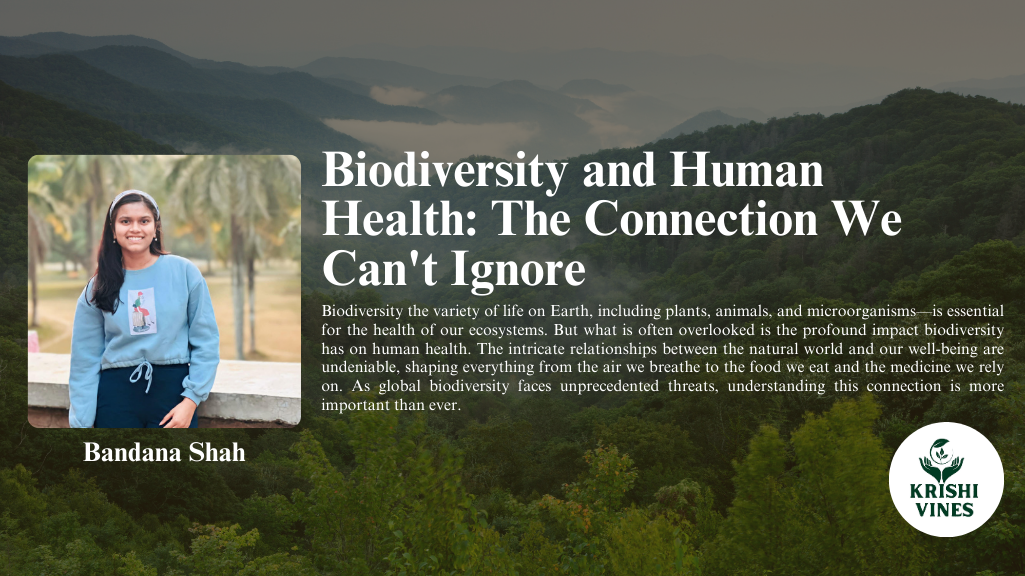
Biodiversity the variety of life on Earth, including plants, animals, and microorganisms—is essential for the health of our ecosystems. But what is often overlooked is the profound impact biodiversity has on human health. The intricate relationships between the natural world and our well-being are undeniable, shaping everything from the air we breathe to the food we eat and the medicine we rely on. As global biodiversity faces unprecedented threats, understanding this connection is more important than ever.
Ecosystem Services and Human Health
Healthy ecosystems provide a range of “ecosystem services” that are fundamental to human health. Forests, wetlands, and oceans regulate air quality, water purification, and soil fertility, all of which are necessary for human survival. Biodiversity also ensures the resilience of these ecosystems, allowing them to adapt to changing conditions, such as climate change. Without diverse species, ecosystems can collapse, leading to the degradation of these life-supporting services.
Biodiversity and Medicine
Many modern medicines are derived from plants, animals, and microbes. Aspirin, for example, comes from the bark of willow trees, while life-saving cancer treatments have been developed from the rosy periwinkle plant. Indigenous communities have long understood the healing power of biodiversity, using traditional knowledge to harness the medicinal properties of plants and animals. However, as biodiversity declines, we risk losing potential cures for diseases that have yet to be discovered. Protecting ecosystems rich in biodiversity could unlock new treatments for future generations.
The Role of Biodiversity in Disease Regulation
Biodiversity also plays a crucial role in disease regulation. Studies show that ecosystems with high levels of biodiversity tend to suppress the spread of infectious diseases. For example, in tropical forests with diverse animal populations, diseases like Lyme disease and malaria are less likely to spread rapidly because the presence of multiple species dilutes the risk of any one species becoming a dominant disease host. Conversely, the loss of biodiversity can lead to increased outbreaks of zoonotic diseases—those transmitted from animals to humans—like COVID-19, Ebola, and Zika.
Mental Health Benefits of Nature
Beyond physical health, biodiversity also has a significant impact on mental well-being. Spending time in biodiverse natural environments—whether forests, parks, or coastal areas—has been shown to reduce stress, anxiety, and depression. Nature provides a sense of peace, relaxation, and connection that is essential for mental health. As urbanization increases and natural spaces shrink, ensuring access to green spaces becomes critical for human well-being, both mentally and emotionally.
The Urgency of Biodiversity Conservation
Despite the undeniable link between biodiversity and human health, biodiversity is in crisis. Habitat destruction, pollution, overexploitation, climate change, and invasive species are driving species to extinction at an alarming rate. This decline in biodiversity threatens not only ecosystems but also the very foundations of human health. Protecting and restoring biodiversity is no longer just an environmental issue; it is a public health imperative.
Humans can take several meaningful actions to conserve biodiversity at both individual and collective levels. Here are key steps:
1. Protect Natural Habitats
Conserving and restoring natural habitats like forests, wetlands, and coral reefs is essential. These areas support a wide variety of species and maintain ecosystem services. Efforts such as establishing protected areas, wildlife reserves, and national parks help safeguard these crucial habitats.
2. Support Sustainable Agriculture
Agriculture is a major driver of habitat loss, but adopting sustainable practices can mitigate its impact. Techniques like organic farming, crop rotation, agroforestry, and reducing pesticide use promote soil health, reduce deforestation, and enhance biodiversity in agricultural landscapes.

3. Reduce Pollution
Pollution—especially plastic waste, pesticides, and chemical runoffs—poses a significant threat to biodiversity. Reducing our use of harmful chemicals, properly disposing of waste, and participating in clean-up activities can reduce pollution and protect ecosystems.
4. Combat Climate Change
Climate change is altering ecosystems and driving species to extinction. Reducing greenhouse gas emissions through energy efficiency, renewable energy sources, and sustainable transportation can help slow down climate change and give species time to adapt.
5. Sustainable Use of Resources
Overexploitation of natural resources, such as overfishing, logging, and mining, depletes ecosystems. Opting for sustainably sourced products (like certified wood or sustainable seafood) helps reduce the strain on biodiversity. Supporting responsible businesses also promotes conservation.
6. Promote Reforestation and Habitat Restoration
Planting trees and restoring degraded habitats are crucial actions. Reforestation and ecological restoration efforts bring back plant and animal species, stabilize soil, and help ecosystems recover from damage caused by deforestation and development.
7. Support Conservation Organizations
Many organizations work directly to protect biodiversity. By donating, volunteering, or spreading awareness about their work, individuals can contribute to global efforts in conservation, habitat protection, and species recovery.
8. Reduce Meat Consumption
Livestock farming is a leading cause of deforestation, habitat loss, and greenhouse gas emissions. Reducing meat consumption or shifting to plant-based diets can help lessen the environmental impact of food production and reduce pressure on ecosystems.
9. Control Invasive Species
Invasive species often outcompete native species, disrupting local ecosystems. People can help by preventing the spread of invasive species, being mindful of what they plant, and avoiding the introduction of non-native animals into new environments.
10. Raise Awareness and Educate Others
Spreading knowledge about the importance of biodiversity and its conservation is crucial. Education encourages community involvement and fosters a sense of responsibility to protect the natural world.
11. Support Biodiversity-Friendly Policies
On a larger scale, advocating for and supporting government policies that prioritize biodiversity conservation—such as enforcing environmental regulations, protecting endangered species, and funding conservation programs—can create lasting impact.
By taking these actions, humans can contribute to the conservation of biodiversity, ensuring a healthier planet for future generations.
Conclusion
The connection between biodiversity and human health is one we can no longer afford to ignore. Our physical and mental well-being is intricately tied to the health of the ecosystems around us. To ensure a healthy future for humanity, we must prioritize biodiversity conservation in all its forms—through sustainable development, habitat protection, and responsible resource use. By recognizing the essential role biodiversity plays in our lives, we can take meaningful steps to preserve it for future generations.