Introduction
Nepal is a small but ecologically diverse country, stretching from 60 meters above sea level in the Terai to the towering peaks of the Himalayas over 8,000 meters. This unique topography and climatic variation have made the nation a global hotspot of agrobiodiversity — the variety and variability of plants, animals, and microorganisms that sustain agricultural systems and rural livelihoods.
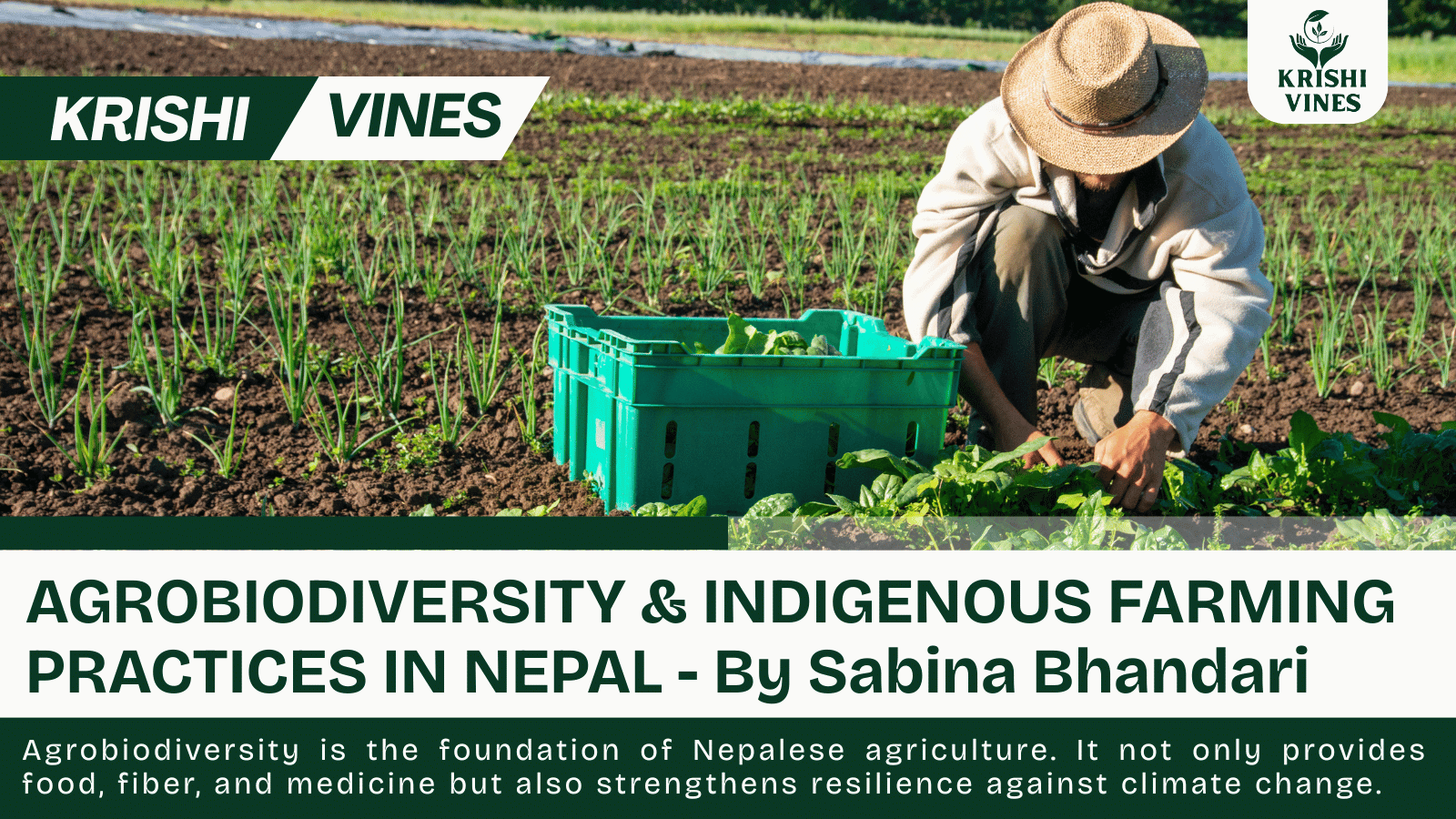
Agrobiodiversity is the foundation of Nepalese agriculture. It not only provides food, fiber, and medicine but also strengthens resilience against climate change. The country’s indigenous farming communities have maintained traditional crop varieties and livestock breeds that are well adapted to specific microclimates and local needs.
The Richness of Nepal’s Genetic Resources
Nepal is home to a remarkable range of agricultural genetic resources. Farmers in different ecological zones cultivate diverse species suited to their local environments.
For example, “Jumli Marsi”, a unique red rice variety from Jumla, can grow at altitudes above 2,500 meters where most modern varieties fail. In the mid-hills, finger millet (Kodo), buckwheat (Phapar), and amaranth (Latte) are traditional crops that thrive in marginal soils. The Terai region boasts rich diversity in rice, lentils, mustard, and vegetables like okra and bitter gourd.
Why is this Diversity a Strength?
In an era of industrial agriculture that often prioritizes uniformity, Nepal’s agrobiodiversity offers a different, more resilient model.
1. Climate Resilience: As climate change brings unpredictable monsoons, droughts, and new pests, having a diverse genetic portfolio is like having a well-stocked toolbox. If one variety fails due to a lack of water, another, more drought-tolerant one may thrive. This built-in insurance policy is critical for the food security of millions of smallholder farmers.
2. Nutritional Security: Different crop varieties offer different nutritional profiles. The diversity on a Nepali plate – from iron-rich millets to protein-packed legumes—ensures a more balanced and nutritious diet, combating hidden hunger and malnutrition.
3. Cultural and Economic Significance: This biodiversity is inextricably linked to Nepal’s cultural heritage. Specific rice varieties are essential for religious ceremonies; unique cheeses are made from the milk of local livestock; and indigenous knowledge of plants for food and medicine is passed down through generations. This also creates niche economic opportunities, such as the marketing of unique, organic, and geographically specific products.
4. Sustainable Ecosystems: Diverse agricultural systems mimic natural ecosystems. They support a wider range of pollinators and beneficial insects, improve soil health through varied root structures, and require fewer chemical inputs, making them more environmentally sustainable in the long run.
Traditional breeds of livestock such as Lulu cattle, Khari goats, and Sakini chickens — are also part of Nepal’s agrobiodiversity heritage. These animals are hardy, disease-resistant, and well adapted to local feed resources and climatic stresses.
Threats to Agrobiodiversity
Despite its immense value, agrobiodiversity in Nepal faces increasing threats.
This agrobiodiversity is silently eroding. The drivers are complex and interconnected including:
· The Lure of High-Yielding Varieties: The promotion of a few, modern high-yielding varieties has led many farmers to abandon their traditional landraces.
· Migration and Changing Lifestyles: Rural-to-urban migration means fewer people are farming, and with them, the knowledge of how to cultivate and save diverse seeds is being lost
. Land Fragmentation and Habitat Loss: Urban sprawl and infrastructure development are consuming fertile agricultural land.
Agrobiodiversity for Climate Resilience
In a country highly vulnerable to climate change, agrobiodiversity serves as a natural safety net. Diverse cropping systems distribute risk — if one crop fails due to drought or pests, another may still produce.
Community-based seed banks in Kaski, Dolakha, and Lamjung have demonstrated how local farmers can conserve, multiply, and exchange traditional seeds. Such initiatives strengthen local adaptation capacity while promoting food and nutritional security.
Moreover, mixed cropping and agroforestry systems help maintain soil fertility, improve water-use efficiency, and enhance pollination. Integrating indigenous species with scientific management can significantly increase resilience at both household and ecosystem levels.
The Way Forward
To conserve and utilize agrobiodiversity effectively, Nepal needs an integrated approach that values both traditional knowledge and modern science. Some key steps include:
1. Strengthening community seed systems through local seed banks and cooperatives.
2. Promoting organic and mixed farming practices to maintain soil health and ecological balance.
3. Encouraging research and documentation of indigenous crops and livestock breeds.
4. Implementing policies like the Plant Variety Protection and Farmers’ Rights Act to safeguard farmers’ intellectual and genetic rights.
5. Engaging youth and entrepreneurs in value addition and marketing of indigenous products, creating economic incentives for conservation.
Conclusion
Agrobiodiversity is not merely about conserving old seeds — it represents the living foundation of Nepal’s agricultural identity. It sustains food security, supports adaptation to climate change, and strengthens rural livelihoods.
As climate threats intensify, Nepal’s path to sustainable development lies in harnessing its biological and cultural diversity. Protecting agrobiodiversity today means ensuring a resilient, self-reliant, and food-secure future for generations to come.
References
Food and Agriculture Organization (FAO). (2019). The State of the World’s Biodiversity for Food and Agriculture. FAO Commission on Genetic Resources for Food and Agriculture Assessments.
Joshi, K. D., & Upadhyay, M. P. (2021). Agrobiodiversity and Sustainable Agriculture in Nepal. Journal of Agriculture and Environment, 22(1), 1–10.
Shrestha, P., & Sthapit, B. (2015). Community Seed Banks: Conserving and Utilizing Agricultural Biodiversity. Bioversity International, Nepal Office.
Subedi, A., & Rijal, D. (2019). Role of Local Crops in Food Security and Climate Change Adaptation in Nepal. Agriculture and Food Security, 8(1), 12–21.