1. Introduction to Precision Agriculture
1.1 Definition and Overview
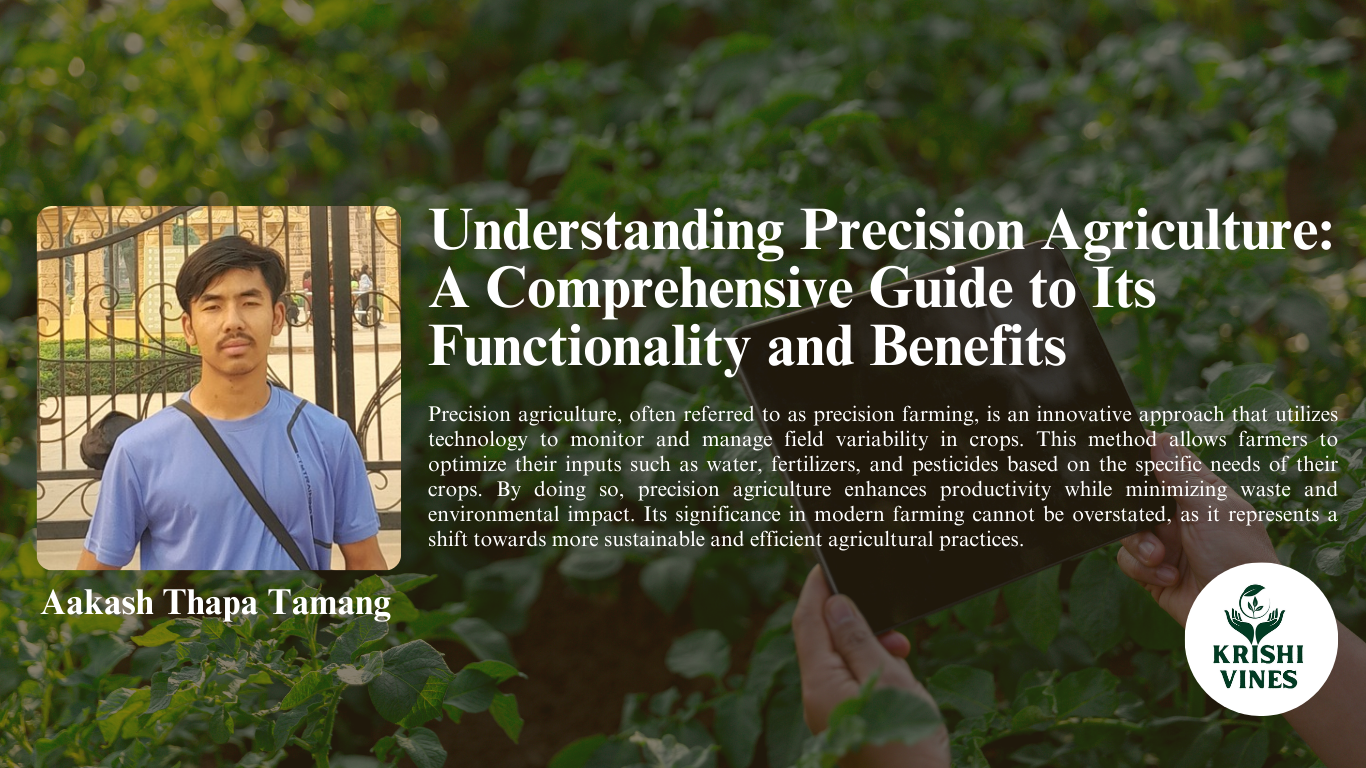
Precision agriculture, often referred to as precision farming, is an innovative approach that utilizes technology to monitor and manage field variability in crops. This method allows farmers to optimize their inputs such as water, fertilizers, and pesticides based on the specific needs of their crops. By doing so, precision agriculture enhances productivity while minimizing waste and environmental impact. Its significance in modern farming cannot be overstated, as it represents a shift towards more sustainable and efficient agricultural practices.
1.2 Historical Context
The roots of precision agriculture can be traced back to traditional farming practices that relied on observation and experience. However, the advent of technology in the late 20th century marked a turning point. The introduction of GPS technology in the 1990s allowed farmers to map their fields with unprecedented accuracy. This paved the way for the development of various tools and techniques that would eventually define precision agriculture, transforming how farmers approach crop management.
1.3 Importance in Today’s Agriculture
In a world facing increasing food demands due to population growth, precision agriculture plays a crucial role in ensuring food security. By maximizing crop yields and minimizing resource use, it helps farmers produce more with less. Additionally, as concerns about climate change and sustainability grow, precision agriculture offers solutions that align with environmentally friendly practices, making it an essential component of modern agriculture.
2. Key Technologies in Precision Agriculture
2.1 Geographic Information Systems (GIS)
Geographic Information Systems (GIS) are powerful tools that allow farmers to visualize and analyze spatial data related to their fields. By mapping soil types, crop health, and other variables, GIS helps farmers make informed decisions about where to plant, how much to irrigate, and when to apply fertilizers. This technology enhances the understanding of field variability, leading to more precise management practices.
2.2 Remote Sensing
Remote sensing involves the use of drones and satellites to collect data about crops and soil from above. These tools can capture images and data on crop health, moisture levels, and nutrient status, providing farmers with real-time insights. For instance, a farmer can use drone imagery to identify areas of a field that may require additional irrigation or pest control, allowing for timely interventions that can save resources and improve yields.
2.3 Internet of Things (IoT)
The Internet of Things (IoT) refers to a network of interconnected devices that collect and exchange data. In precision agriculture, IoT devices such as soil moisture sensors and weather stations provide farmers with real-time information about their fields. This data enables farmers to monitor conditions closely and make adjustments as needed, ensuring optimal growing conditions for their crops.
3. Data Collection and Analysis
3.1 Types of Data Collected
Precision agriculture relies on various types of data to inform decision-making. Key data points include:
- Soil Health: Information on nutrient levels, pH, and moisture content.
- Weather Patterns: Data on temperature, rainfall, and humidity.
- Crop Yield: Historical yield data to identify trends and make predictions.
3.2 Data Management Tools
To effectively manage and analyze the vast amounts of data collected, farmers use specialized software and platforms. These tools help organize data, visualize trends, and generate reports that can guide farming practices. For example, a farmer might use a data management platform to track soil health over time, allowing for better planning of crop rotations and fertilizer applications.
3.3 Interpreting Data for Decision Making
The true value of data in precision agriculture lies in its interpretation. Farmers can use insights gained from data analysis to make informed decisions about planting schedules, irrigation needs, and pest management strategies. For instance, if data indicates that a particular area of a field is consistently underperforming, a farmer might choose to adjust their approach in that section, whether through targeted fertilization or crop rotation.
4. Benefits of Precision Agriculture
4.1 Increased Crop Yields
One of the most significant benefits of precision agriculture is its ability to increase crop yields. By applying inputs more efficiently and effectively, farmers can achieve higher productivity levels. For example, targeted irrigation can lead to better water use efficiency, resulting in healthier crops and improved yields.
4.2 Resource Conservation
Precision agriculture promotes the conservation of vital resources. By using data to apply water, fertilizers, and pesticides only where needed, farmers can significantly reduce waste. This not only saves money but also minimizes the environmental impact of farming practices, contributing to a more sustainable agricultural system.
4.3 Environmental Impact
The positive effects of precision agriculture extend beyond individual farms. By reducing the use of chemicals and optimizing resource use, precision practices help protect biodiversity and enhance ecosystem health. For instance, less runoff from fields means cleaner waterways, benefiting local wildlife and communities.
5. Challenges and Future of Precision Agriculture
5.1 Technological Barriers
Despite its many advantages, the adoption of precision agriculture technologies can be challenging for some farmers. Issues such as high initial costs, lack of technical knowledge, and limited access to technology can hinder implementation. Addressing these barriers is crucial for wider adoption and success in the agricultural sector.
5.2 Economic Considerations
Implementing precision agriculture can involve significant costs, from purchasing equipment to investing in software. However, the potential return on investment can be substantial, as increased efficiency often leads to higher profits. Farmers must carefully weigh these costs against the expected benefits to make informed decisions.
5.3 Future Trends and Innovations
The future of precision agriculture is bright, with emerging technologies poised to further enhance farming practices. Innovations such as artificial intelligence, machine learning, and advanced robotics are expected to play a significant role in shaping the industry. As these technologies evolve, they will likely provide even more precise and efficient solutions for farmers.
Conclusion
Precision agriculture represents a transformative approach to farming that leverages technology to enhance productivity, conserve resources, and protect the environment. As the agricultural landscape continues to evolve, understanding and embracing precision agriculture will be essential for farmers looking to meet the challenges of the future.
FAQs
What is the main goal of precision agriculture?
The main goal of precision agriculture is to optimize farming practices by using technology to monitor and manage field variability, ultimately increasing productivity and sustainability.
How does precision agriculture benefit small-scale farmers?
Small-scale farmers can benefit from precision agriculture by improving resource efficiency, reducing costs, and increasing yields, allowing them to compete more effectively in the market.
What are some examples of precision agriculture technologies?
Examples include Geographic Information Systems (GIS), remote sensing tools like drones, and Internet of Things (IoT) devices for real-time monitoring.
Is precision agriculture environmentally friendly?
Yes, precision agriculture promotes environmentally friendly practices by reducing the use of chemicals and conserving resources, leading to a healthier ecosystem.
What skills do farmers need to implement precision agriculture?
Farmers need a basic understanding of technology, data analysis skills, and the ability to interpret data insights to effectively implement precision agriculture practices.