Abstract
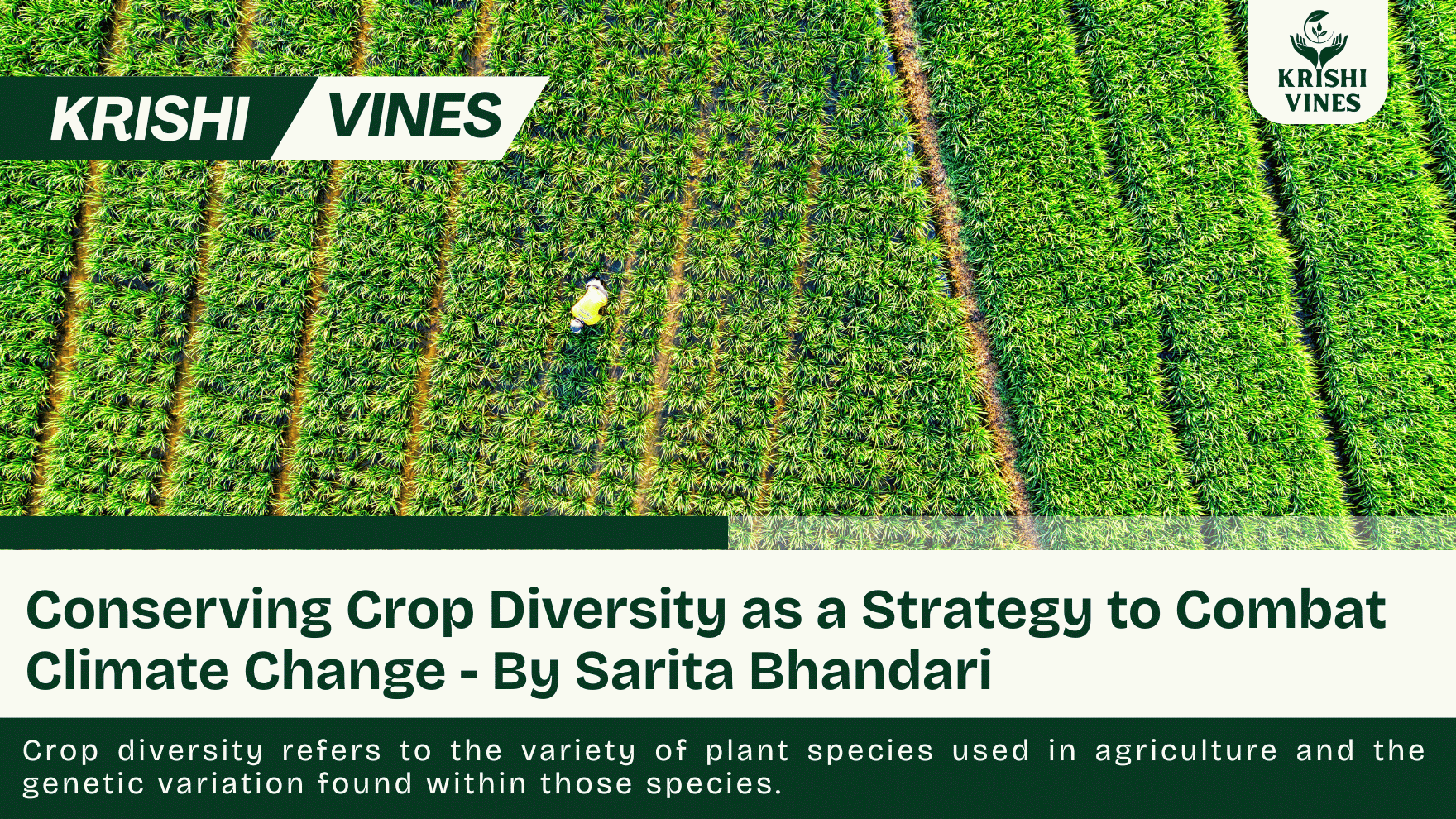
Nepal, a largely agricultural nation, faces the challenges of climate change and environmental degradation, with agriculture contributing to its carbon footprint. However, by adopting sustainable farming practices that promote agro biodiversity, the country can mitigate carbon emissions while enhancing resilience to climate impacts. Sustainable agriculture such as agroforestry, organic farming, and conservation tillage can reduce greenhouse gas emissions, improve soil health, and sequester carbon. Agro biodiversity, including crop diversity and integrated farming systems, strengthens ecosystem services, supports food security, and offers economic and ecological benefits. Embracing these practices can help Nepal reduce its carbon footprint while promoting long-term sustainability.
Introduction
Nepal, a predominantly agricultural nation, is grappling with the dual challenges of climate change and environmental degradation. Agriculture, while vital to the country’s economy and food security, is also a significant source of greenhouse gas (GHG) emissions, contributing to the global carbon footprint. However, by adopting sustainable agriculture practices that leverage agro biodiversity, Nepal can reduce its carbon footprint and simultaneously build resilience to climate change. This article explores how agro biodiversity, the variety of species used in farming systems combined with sustainable agricultural techniques can mitigate carbon emissions while promoting ecological and social benefits.
The Importance of Reducing Nepal’s Carbon Footprint
Nepal’s contribution to global GHG emissions is small compared to industrialized nations, yet it faces severe consequences of climate change, including erratic rainfall, floods, and glacial melt. While Nepal seeks to develop its economy and improve living standards, it must also aim to reduce its carbon footprint. Sustainable agriculture, with a focus on agro biodiversity, offers a pathway for achieving both environmental sustainability and climate change mitigation.
Understanding Sustainable Agriculture
Sustainable agriculture refers to farming practices that maintain productivity while reducing environmental impacts, conserving resources, and enhancing ecosystem health. These practices seek to minimize the use of synthetic fertilizers, pesticides, and fossil fuels, all of which are significant sources of GHG emissions. By focusing on natural processes, such as maintaining healthy soils and using organic methods, sustainable agriculture can help reduce carbon emissions and sequester carbon in the soil.
The Role of Agro biodiversity in Sustainable Agriculture
Agro biodiversity is crucial to the success of sustainable agriculture. It involves cultivating a wide variety of crops, livestock breeds, and microorganisms, which in turn enhances ecosystem services such as pollination, nutrient cycling, and pest control. Agro biodiversity supports resilience against environmental changes, making it a key tool for reducing the carbon footprint of agriculture while ensuring food security.
- Crop Diversity for Carbon Sequestration
Planting a diverse range of crops, including perennial and deep-rooted varieties, enhances the ability of farming systems to sequester carbon in the soil. For example, leguminous crops fix nitrogen in the soil naturally, reducing the need for synthetic fertilizers that contribute to GHG emissions. Perennial crops also help capture carbon dioxide (CO₂) more effectively than annual crops.
- Diverse Livestock Breeds for Lower Emissions
Indigenous livestock breeds, which are well-adapted to Nepal’s varied landscapes, typically require less external input than high-yield commercial breeds. They are often more efficient in grazing, feed conversion, and resilience to local conditions, which can help lower methane emissions, a potent GHG associated with livestock.
- Integrated Crop-Livestock Systems
By integrating crop production with livestock, farmers can recycle organic matter (e.g., manure) into the soil, improving fertility without relying on chemical inputs. This approach enhances soil health, sequesters carbon, and reduces emissions from synthetic fertilizers.
Sustainable Agricultural Practices to Reduce Carbon Footprint
There are several sustainable agriculture practices that can be adopted in Nepal to reduce its agricultural carbon footprint while promoting agro biodiversity:
- Agroforestry
Agroforestry is the practice of integrating trees and shrubs into farming systems. This not only increases biodiversity but also improves carbon sequestration. Trees act as carbon sinks, absorbing CO₂ from the atmosphere and storing it in biomass and soil. Agroforestry systems in Nepal, such as the incorporation of fruit trees and fodder crops, can significantly reduce carbon emissions while providing additional income streams for farmers.
- Organic Farming
Organic farming eliminates the use of synthetic fertilizers and pesticides, which are major sources of GHG emissions. By relying on natural inputs like compost, cover crops, and biological pest control, organic farming reduces carbon emissions and enhances soil carbon sequestration. Nepal has seen growing interest in organic farming, especially in the production of niche crops such as coffee, tea, and spices.
- Conservation Tillage
Conservation tillage, or reduced plowing, minimizes soil disturbance, which helps maintain soil structure and carbon storage. Conventional tillage releases carbon stored in the soil into the atmosphere, contributing to GHG emissions. By adopting conservation tillage practices, farmers can enhance soil carbon retention and reduce fuel consumption from mechanized plowing.
- Agroecology
Agroecology is an approach that combines traditional agricultural knowledge with ecological science to create resilient and sustainable farming systems. By promoting polycultures, crop rotation, and local seed varieties, agroecology enhances biodiversity, reduces external inputs, and improves soil health, leading to a lower carbon footprint. In Nepal, agroecological practices have been successfully applied in hilly regions to reduce erosion, improve yields, and enhance carbon sequestration.
- Water-Efficient Irrigation
Efficient irrigation techniques such as drip irrigation and rainwater harvesting reduce water usage and energy consumption, thereby lowering the carbon footprint of agriculture. In Nepal, traditional irrigation systems such as ‘guhar khola’ (small water channels) are being modernized to promote sustainable water management, further supporting carbon reduction efforts.
Agrobiodiversity and Carbon Sequestration in Nepal’s Farming Systems
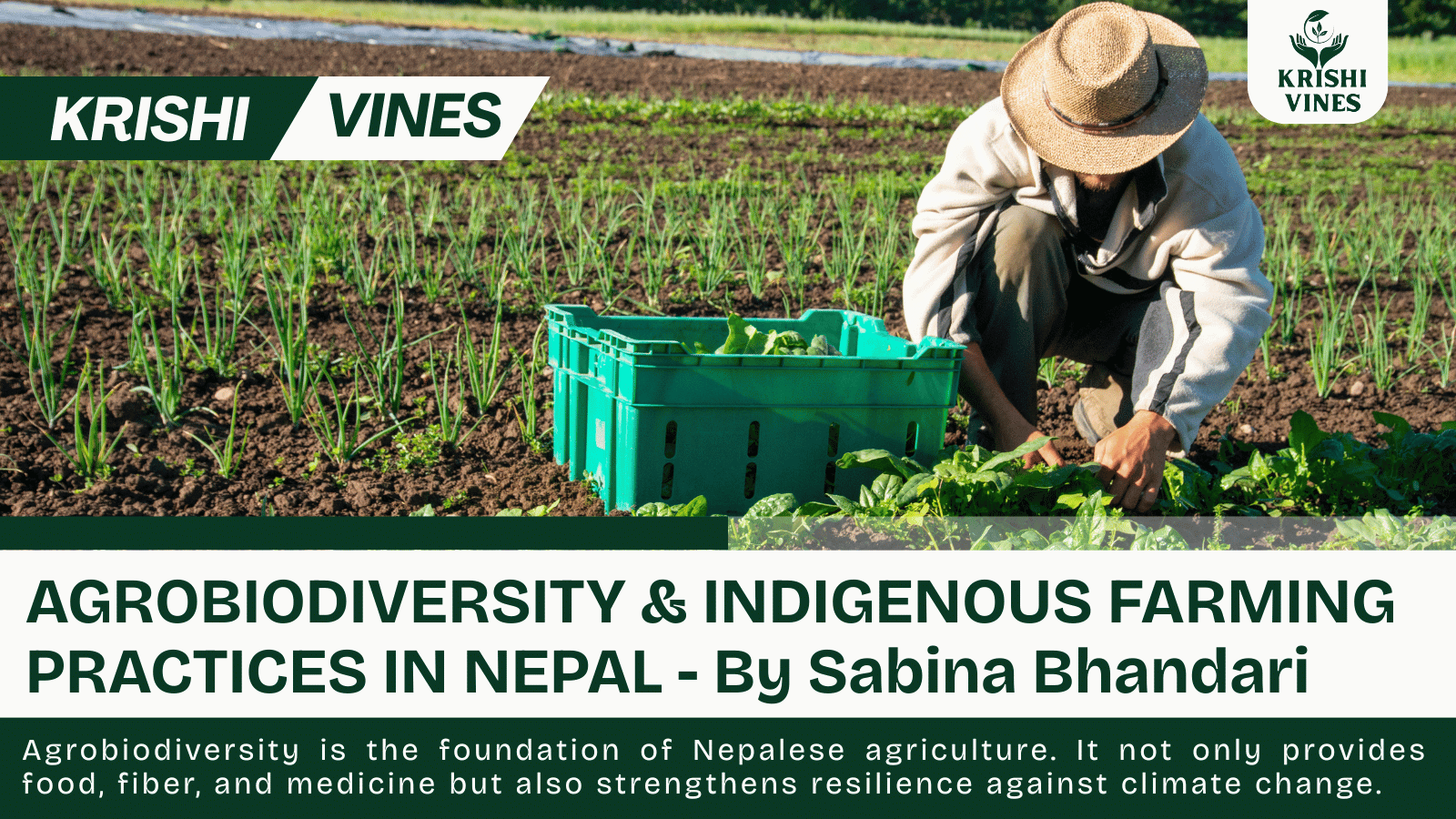
Nepal’s diverse landscapes from the fertile plains of the Terai to the rugged mountains of the Himalayas offer unique opportunities to implement carbon-sequestering agricultural practices through agrobiodiversity.
- Terracing in the Hills
Terraced farming, a traditional practice in Nepal’s hilly regions, helps prevent soil erosion, conserve water, and enhance carbon storage in the soil. By planting a variety of crops on terraced fields, farmers can increase the system’s biodiversity and carbon sequestration capacity.
- Community Seed Banks
Community seed banks in Nepal preserve local seed varieties that are often better adapted to specific environmental conditions. These varieties require fewer chemical inputs, which reduces emissions from fertilizer production and application. By promoting the use of indigenous seeds, Nepal’s farmers can reduce their reliance on high-input agriculture and contribute to carbon mitigation efforts.
- Agroecological Zones and Biodiversity Hotspots
Nepal is home to biodiversity-rich zones such as the Eastern Himalayas, which are critical for both conserving agrobiodiversity and mitigating climate change. By focusing on preserving and expanding agrobiodiversity in these areas, Nepal can enhance carbon sequestration and reduce the overall carbon footprint of its agricultural sector.
Benefits of Sustainable Agriculture and Agrobiodiversity for Farmers
- Increased Resilience to Climate Change
Agrobiodiversity helps buffer against the impacts of climate change, such as erratic weather patterns and pest outbreaks. By diversifying crops and livestock, farmers can better withstand these shocks and reduce the risk of total crop or livestock loss.
- Economic Benefits
Sustainable agriculture can reduce input costs for farmers, as reliance on expensive chemical fertilizers and pesticides decreases. In addition, diverse farming systems open up opportunities for niche markets in organic and heritage crops, providing new income streams for smallholder farmers in Nepal.
- Health and Environmental Benefits
Reducing the use of synthetic chemicals in farming not only lowers carbon emissions but also improves soil health, water quality, and biodiversity. Healthier soils support higher productivity and long-term agricultural sustainability.
Challenges to Implementing Sustainable Agriculture in Nepal
While sustainable agriculture and agrobiodiversity offer numerous benefits, several challenges must be addressed:
- Lack of Access to Resources and Knowledge
Many smallholder farmers lack access to the knowledge, financial resources, and technology required to adopt sustainable agricultural practices. Capacity-building programs, farmer education, and extension services are needed to promote the benefits of agrobiodiversity and sustainable farming methods.
- Policy and Market Incentives
The government needs to provide policy support and incentives to encourage farmers to transition to sustainable agriculture. This includes subsidies for organic inputs, support for agroforestry projects, and access to markets for organic and heritage crops.
Conclusion
Nepal stands at a critical crossroads in its efforts to reduce its carbon footprint while maintaining food security and economic development. By adopting sustainable agriculture practices and promoting agrobiodiversity, the country can significantly lower its agricultural emissions and build resilience to climate change. Sustainable agriculture offers pathways not only for reducing Nepal’s carbon footprint but also for creating healthier ecosystems, improving livelihoods, and safeguarding food security for future generations. With the right policy support, education, and resources, Nepal’s farmers can lead the way in creating a sustainable, low-carbon agricultural future.
REFERENCES
Altieri, M. A., & Nicholls, C. I. (2020). Agroecology: A brief account of its contributions to sustainability and the challenges ahead. Sustainability, 12(18), 7435. https://doi.org/10.3390/su12187435
FAO. (2019). The state of the world’s biodiversity for food and agriculture. Food and Agriculture Organization of the United Nations. https://www.fao.org/3/CA3129EN/ca3129en.pdf
Lal, R. (2004). Soil carbon sequestration impacts on global climate change and food security. Science, 304(5677), 1623-1627. https://doi.org/10.1126/science.1097396
Poudel, D. D., & Thapa, G. B. (2004). Sustainable agriculture in Nepal: Prospects and challenges. Journal of Sustainable Agriculture, 24(4), 17-39. https://doi.org/10.1300/J064v24n04_04
Pretty, J., & Bharucha, Z. P. (2014). Sustainable intensification in agricultural systems. Annals of Botany, 114(8), 1571-1596. https://doi.org/10.1093/aob/mcu205
Regmi, B. R., & Paudyal, A. (2009). Climate change and agrobiodiversity in Nepal: Opportunities to include agrobiodiversity maintenance to support Nepal’s National Adaptation Programme of Action (NAPA).
Shrestha, S., & Upreti, B. R. (2012). Sustainable agriculture development in Nepal: Issues, challenges, and future prospects. Agriculture and Rural Development, 1(1), 1-18.
Upreti, B. R., & Shrestha, S. (2016). Agroforestry and its contribution to soil fertility and carbon sequestration in Nepal. International Journal of Forestry Research, 2016, 1-12. https://doi.org/10.1155/2016/9845261
World Bank. (2020). Nepal: Building climate resilience through sustainable agriculture. World Bank Report.