1. Introduction
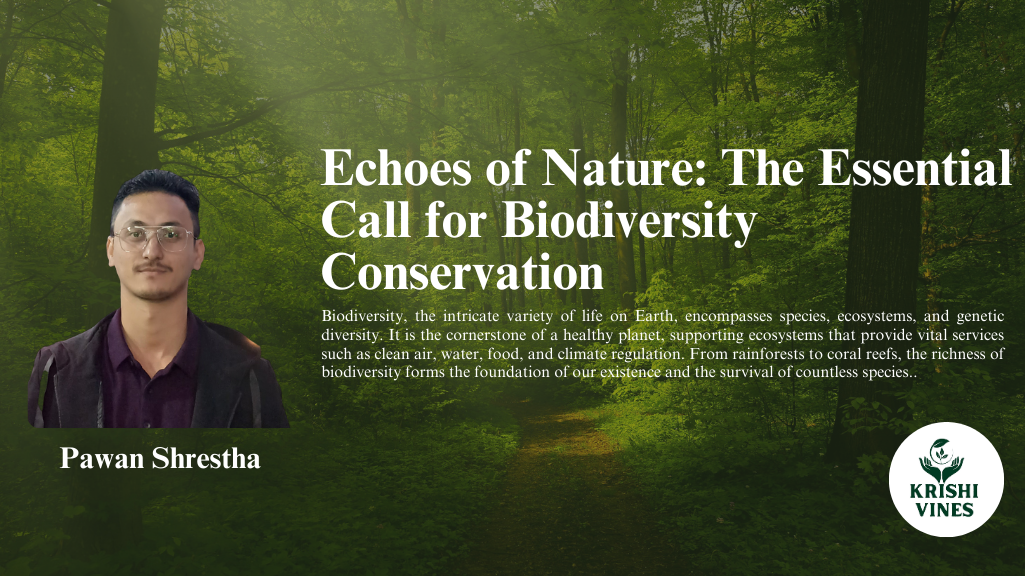
Biodiversity, the intricate variety of life on Earth, encompasses species, ecosystems, and genetic diversity. It is the cornerstone of a healthy planet, supporting ecosystems that provide vital services such as clean air, water, food, and climate regulation. From rainforests to coral reefs, the richness of biodiversity forms the foundation of our existence and the survival of countless species.
2. The Importance of Biodiversity
Biodiversity plays a crucial role in maintaining ecosystem health and stability. It contributes directly to human survival by providing essential services, such as clean air and water, fertile soil, pollination, and climate regulation. Diverse ecosystems, with their abundance of species, ensure the resilience needed to withstand environmental changes.
In agriculture, biodiversity is indispensable. Pollinators like bees and butterflies are essential for the reproduction of many crops, while genetic diversity in plants helps ensure resilience against diseases and environmental stressors. Additionally, medicinal plants, derived from diverse ecosystems, have provided remedies for centuries, contributing to human health and well-being.
Moreover, biodiversity strengthens ecosystems by enhancing their ability to adapt to environmental shifts such as climate change. Diverse ecosystems can recover more quickly from disturbances and maintain essential functions, making them more resilient in the face of natural disasters or environmental stress.
3. Echoes of Nature: Signs of Biodiversity Decline
Despite its importance, biodiversity is under severe threat from human activities. Habitat destruction, deforestation, overfishing, pollution, and climate change are major drivers of species extinction and ecosystem degradation.
Deforestation, for instance, destroys habitats, leading to the loss of countless species and increasing carbon emissions. Overfishing threatens marine biodiversity by disrupting food chains and depleting fish populations. Similarly, climate change manifested in rising temperatures, changing rainfall patterns, and ocean acidification is altering habitats and threatening species survival.
4. The Ripple Effects: Consequences of Losing Biodiversity
The loss of biodiversity unleashes a cascade of devastating consequences. As ecosystems weaken, they become unable to provide essential services like food, clean water, and stable climates. Soil degradation, reduced crop yields, and the spread of pests and diseases become more frequent, endangering food security and human health. The loss of keystone species, such as pollinators, triggers imbalances that can collapse entire ecosystems. These ripple effects underline the interconnectedness of all life forms, where the decline of one species disrupts the stability of the entire system. The loss of biodiversity has far-reaching implications for ecosystems, human health, and food security. As ecosystems degrade, the services they provide are compromised. For example, declining pollinator populations can lead to reduced crop yields, which in turn affect food production and nutrition. Deforestation contributes to soil erosion, reduced water quality, and greater vulnerability to natural disasters.
Biodiversity loss also directly impacts human health. When ecosystems are disrupted, the spread of diseases may increase as food chains and ecological balances are disturbed. The decline of biodiversity can lead to new or worsened public health challenges, including the spread of vector-borne diseases and the intensification of climate-related illnesses.
5. The Call for Action: Conservation Strategies
To combat biodiversity loss, effective conservation strategies must be implemented. Global initiatives such as the Convention on Biological Diversity offer frameworks for international cooperation. At the local level, community-driven conservation programs can empower people to manage and protect natural resources sustainably.
Restoring degraded ecosystems is another critical component of biodiversity conservation. Reforestation, habitat restoration, and the protection of endangered species through measures like wildlife corridors are important steps in preserving the planet’s biodiversity.
Sustainable land-use practices, such as agroforestry and organic farming, also play a role in minimizing the impact of human activities on ecosystems. These practices help maintain soil health, conserve water, and reduce the need for harmful pesticides, thereby protecting both biodiversity and agricultural productivity.
6. Human Responsibility: A call to Action
Biodiversity conservation requires a collective effort from individuals, governments, and businesses. Individuals can make a difference by adopting sustainable practices, reducing waste, and supporting conservation initiatives. Governments can enact policies to protect biodiversity, such as establishing protected areas and promoting sustainable agricultural practices. Businesses, too, can contribute by incorporating biodiversity-friendly practices into their operations and supporting conservation programs.
7. Biodiversity and the Future
Biodiversity will play a pivotal role in shaping the future of our planet. Conserving biodiversity is not just about protecting individual species; it is about ensuring the survival of humanity. Healthy, biodiverse ecosystems are more resilient to climate change, natural disasters, and human-induced pressures. These ecosystems form the foundation for sustainable agriculture, secure water supplies, and stable climates. Successful conservation efforts, such as species recovery initiatives and rewilding programs, provide a sense of hope for what can be achieved. By restoring ecosystems and protecting biodiversity, we can create a more sustainable and resilient world for generations to come.
8. Conclusion: Answering Nature’s Call
The message from nature is clear: biodiversity is vital for the survival of life on Earth, and it is our collective responsibility to safeguard it. In the face of mounting challenges—climate change, habitat loss, and species extinction—our actions must reflect the urgency of the moment. Conserving biodiversity is essential to building a resilient and thriving planet for future generations. The time for action is now, and each of us has a role to play in ensuring that the rich tapestry of life on Earth continues to flourish.
In conclusion, biodiversity is not simply a gift from nature; it is the lifeblood of our planet. Without it, the ecosystems we rely on will unravel, threatening food security, human health, and environmental stability. Protecting biodiversity is the defining call of our era, and answering it is the only way forward for a sustainable future.