The agrobiodiversity and pollinators have an intricate relationship as they support each other in creating resilient agriculture system. The agrobiodiversity serves as the feeding and nesting resources for the pollinators, and the pollinators enhance the crop yields and maintain the genetic diversity.
Introduction.
The Food and Agriculture Organization, FAO defines agrobiodiversity as the variety and variability of animals, plants and microorganisms that are used directly or indirectly for the food and agriculture, including crops, livestock, forestry and fisheries. It comprises the diversities of genetic resources and species used for food, fodder, fiber, fuel and pharmaceutical. It also includes the diversity of non-harvested species that support production (soil micro-organisms, predators, pollinators), and those in the wider environment that support Agro-ecosystems (agricultural, pastoral, forest and aquatic) as well as the diversity of the Agro-ecosystems.
Likewise, the pollinators are the essential agent that helps to transfer the pollen from one flower to another adding in the production of fruits and seeds in many plants.
Interrelationship between Agro-biodiversity and Pollinators.
The agrobiodiversity and pollinators are closely linked, both playing a vital role to sustain each other. The diverse agricultural practices and agricultural systems serve as basis for the varied resources and habitats that the pollinators could rely on. The pollinators like bees, butterflies and birds thrive well in the environment rich in agrobiodiversity. These pollinators, in turn, enhance both the quantity and quality of agriculture produce. The more diverse the agriculture landscape become the more benefits the provide such as, enhanced soil fertility, natural pest control, food and nesting resources for the pollinators. Similarly, the pollinators also helped to ensure the successful reproduction and seed production in plants there by maintaining the genetic diversity of crops. The worlds food production and food securities is in fact depended upon the pollinators.
Agrobiodiversity conservation benefiting the pollinators.
Since the agrobiodiversity and pollinators are mutually dependent, conserving the agrobiodiversity directly aids in sustaining the population of pollinators. The practices such as agroforestry, intercropping, mixed crop farming can insure the continuous feeding and nesting sources to the pollinators helping them thrive well throughout the different seasons. The diverse the variety of the plants, the diverse is the resources available for the pollinators which ultimately preserves and facilitates the pollinator’s population. The conservation of pollinators strengthens the ecosystem resilience. A diverse landscape supports diverse species which are better adapted to the changing climatic conditions, and can withstand the climate shifts, pests and disease outbreaks and the several other environmental stresses. Hence, agrobiodiversity conservations ensures the survival of pollinators amidst the global challenges of climate change, habitat loss and pesticides use.
Pollinators for agrobiodiversity conservation
The pollinators ensure the genetic diversity within the species by pollinating the corps and wild plants. Since, the traits such as disease resistance, higher nutritional content and better adaptability to different environmental conditions is very crucial for the crops, only the genetic diversity with in the crop species can ensure that agriculture responds better to the environmental changes. For an example, the crops in traditional agricultural systems have their genetic diversity maintained by the pollinators facilitating cross pollination, show higher resilience against the disease and pests compare to the monoculture systems, which rely solely on one crop species.
The conservation approaches
Both the agrobiodiversity and pollinators need to be conserved. For this a range of strategies at different levels need to be implemented.
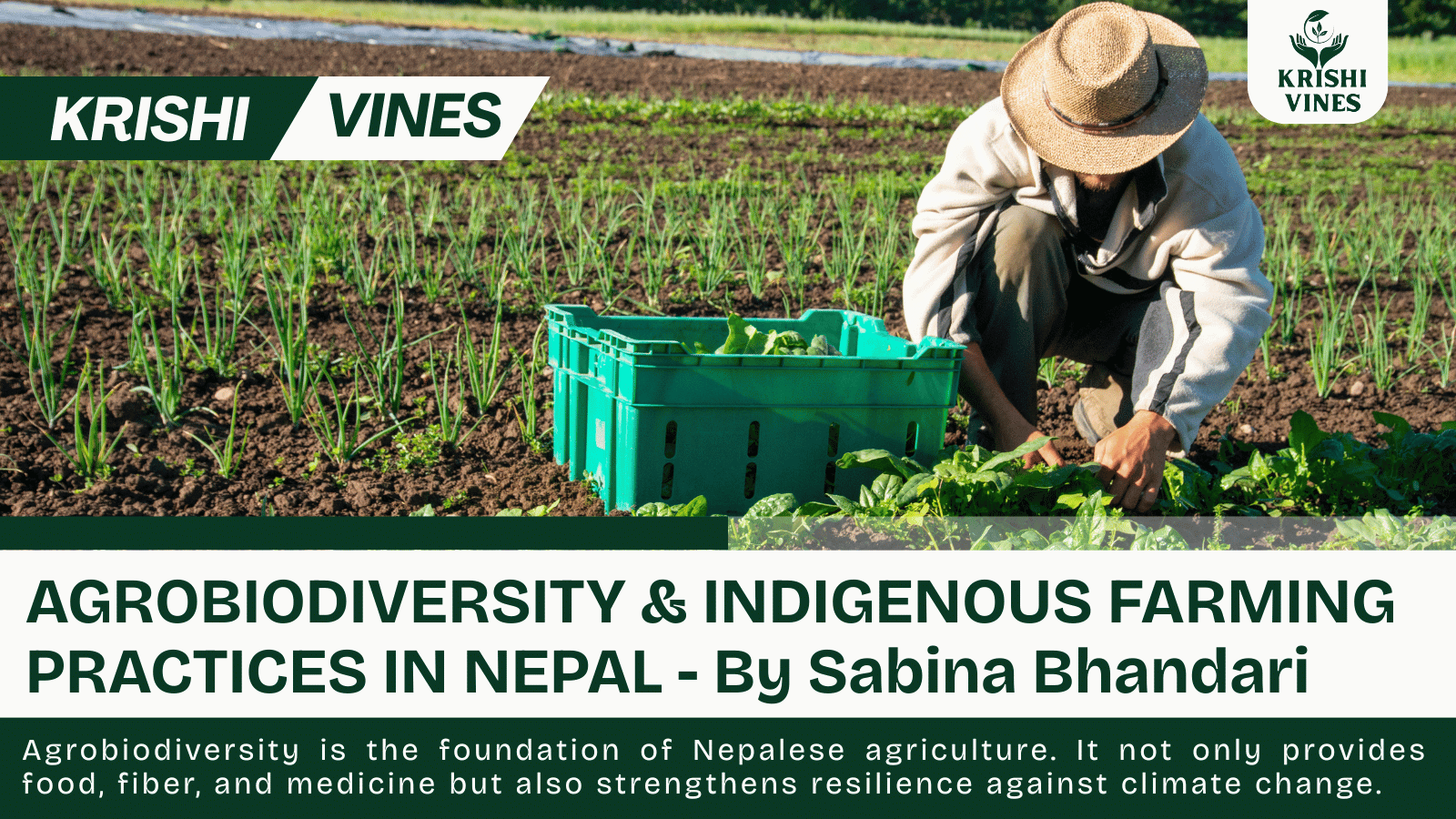
- At farm level, the practices such as crop rotation, polyculture and agroforestry could be implemented which would promote soil health and reduce the need for chemical use. This in turn creates the diverse favorable habitat for pollinators.
- The promotion and protection of local plant varieties at the community levels is very crucial in the regions where the small holders farmers depend on the bio-diversity for the livelihoods.
- The government and international organizations can implement the polices to promote agrobiodiversity and pollinators conservation. The provision of incentive for the sustainable farming, enforcement of the laws for the protection of the pollinators and promoting organic agriculture could reduce the chemical residue and aid for effective conservation strategies.
Existing problem affecting the agrobiodiversity and pollinators
Although, there exists the clear benefits of agrobiodiversity and pollinators, there still exists numerous challenges. The challenges may be included as: habitat loss, monoculture, pesticides use, climate change and soon.
- Habitat loss: the loss of natural habitats due to the deforestation, urbanization and intensive agriculture practices have resulted a possible threat to the pollinators.
- Monoculture: The expansion in the monoculture farming reduces the habitat diversity. These results in less variety of feeding and nesting resources for the pollinators.
- Pesticide use: The haphazard use of chemical pesticides in agriculture field not only builds up the chemical residue but also disrupts the pollinators population at different levels.
- Climate change: The shift in climate patterns affects the overall agricultural system. This in turn affects the agrobiodiversity which ultimately affects the resources available for the pollinators.
Solution to the existing problem.
The possible solutions to these existing problems could be:
- Reducing the pesticides uses
- Promoting the Agro-ecological practices
- Encouraging the diverse farming systems
- Integrated pest management strategies
- Educating the farmers and the communities
- Protecting the pollinator species
- Climate resilient practices
- Supporting the pollinator friendly policies
Conclusion
The agrobiodiversity and pollinators, together form the base for resilient agricultural ecosystem that could withstand the global challenge of climate change and biodiversity loss. This is very crucial to ensure the food security. Therefore, it is high time that we adopt integrated approaches for their conservation, only then, we can ensure a sustainable agricultural and a secure future.
References
Kahane, R., Hodgkin, T., Jaenicke, H., Hoogendoorn, C., Hermann, M., Keatinge, J. D. H., … & Looney, N. (2013). Agrobiodiversity for food security, health and income. Agronomy for sustainable development, 33, 671-693.
Wood, D., & Lenne, J. M. (1997). The conservation of agrobiodiversity on-farm: questioning the emerging paradigm. Biodiversity & Conservation, 6, 109-129.
Gonzalez, C. G. (2011). Climate change, food security, and agrobiodiversity: Toward a just, resilient, and sustainable food system. Fordham Environmental Law Review, 493-522.
Dwivedi, S., Sahrawat, K., Upadhyaya, H., & Ortiz, R. (2013). Food, nutrition and agrobiodiversity under global climate change. Advances in agronomy, 120, 1-128.
Dwivedi, S., Sahrawat, K., Upadhyaya, H., & Ortiz, R. (2013). Food, nutrition and agrobiodiversity under global climate change. Advances in agronomy, 120, 1-128.