Introduction
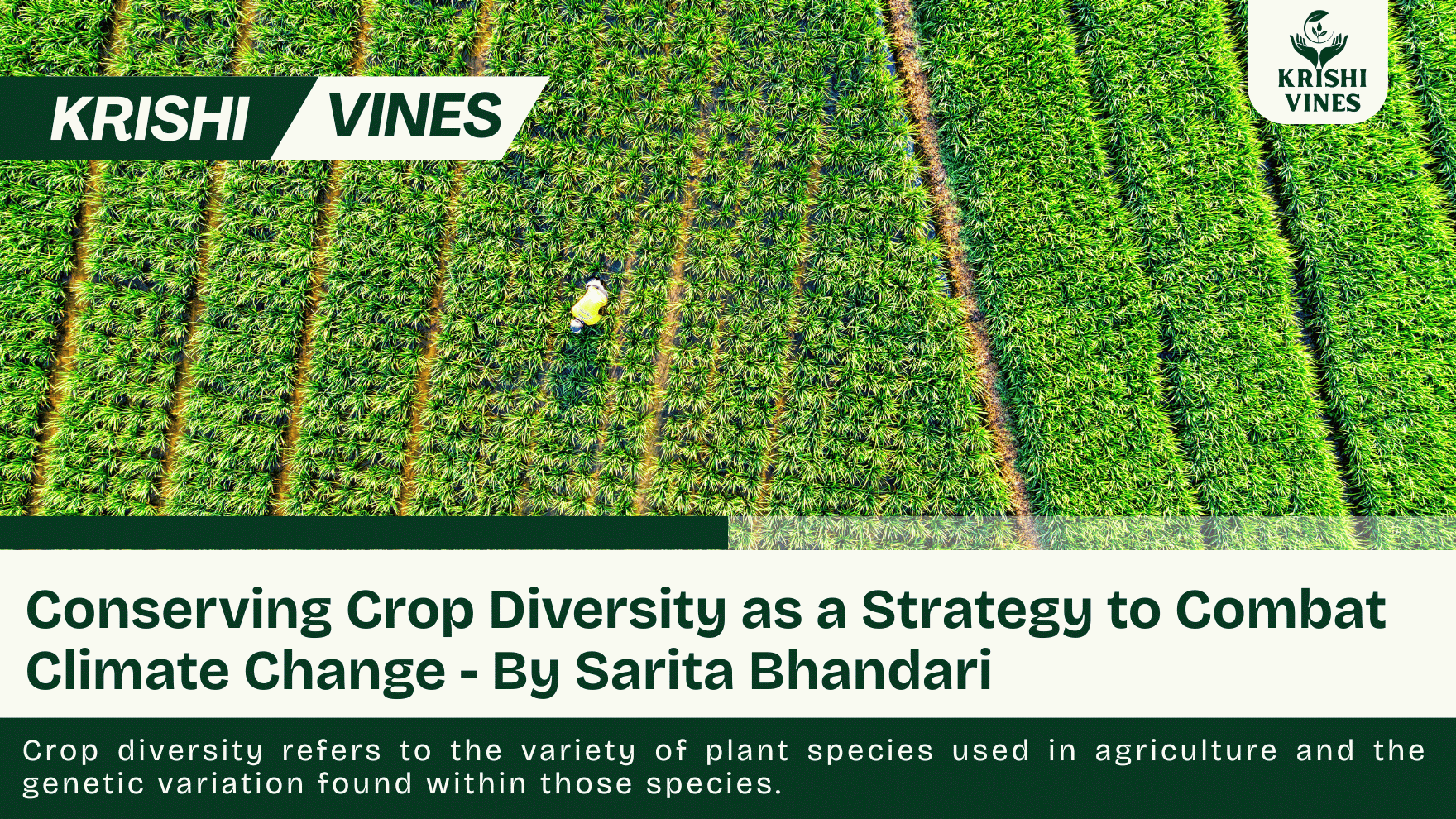
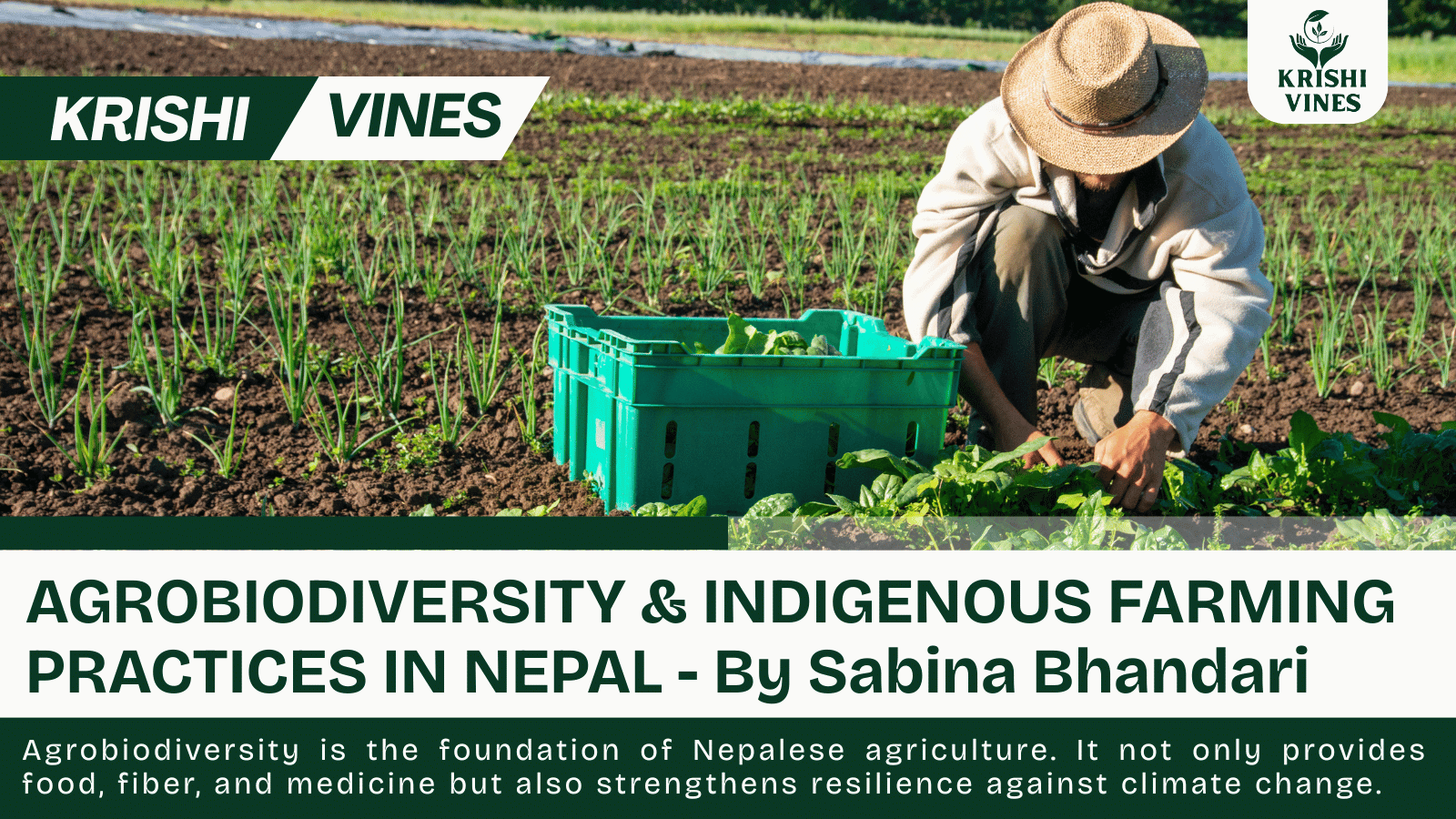
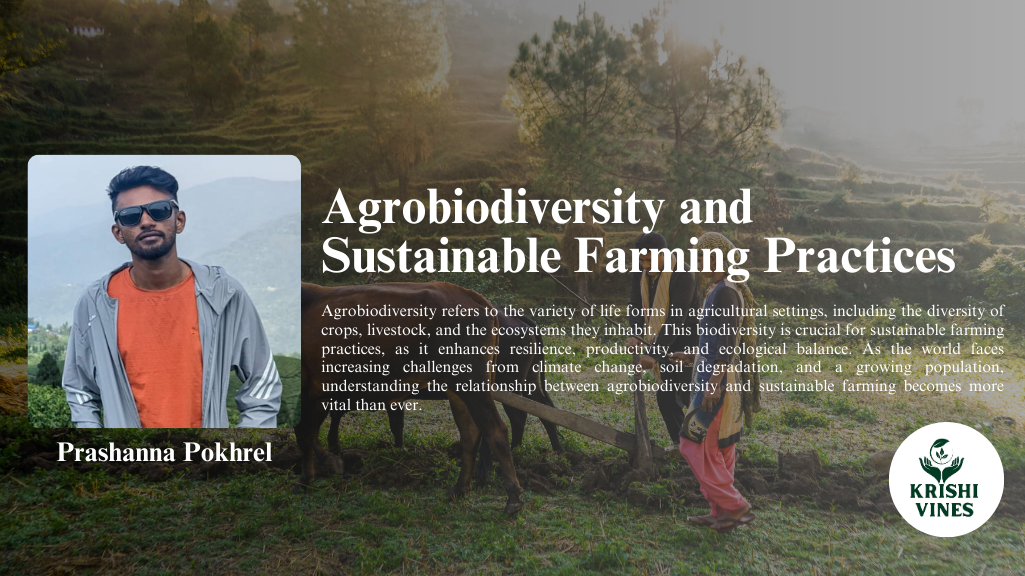
Agrobiodiversity refers to the variety of life forms in agricultural settings, including the diversity of crops, livestock, and the ecosystems they inhabit. This biodiversity is crucial for sustainable farming practices, as it enhances resilience, productivity, and ecological balance. As the world faces increasing challenges from climate change, soil degradation, and a growing population, understanding the relationship between agrobiodiversity and sustainable farming becomes more vital than ever.
The Importance of Agrobiodiversity
- Resilience to Climate Change: Diverse cropping systems can better withstand environmental stressors such as droughts, floods, and pests. For example, intercropping—growing two or more crops in proximity—can reduce the risk of total crop failure, as different species may respond differently to climate extremes.
- Soil Health: Agrobiodiversity contributes to soil health through improved nutrient cycling, reduced erosion, and enhanced soil structure. Different plants have varying root structures and nutrient requirements, which helps maintain soil fertility and prevents nutrient depletion.
- Pest and Disease Management: A diverse agricultural ecosystem can naturally regulate pest populations and reduce disease outbreaks. Crop rotation and polyculture practices can disrupt pest life cycles, minimizing the need for chemical pesticides.
- Food Security and Nutrition: Agrobiodiversity supports food security by providing a wider array of food options. Diverse diets enhance nutritional intake, reducing the risks of malnutrition and related health issues. Traditional crops, often rich in micronutrients, play a significant role in local diets and cultures.
Sustainable Farming Practices Enhanced by Agrobiodiversity
- Agroecology: This holistic approach incorporates ecological principles into agricultural systems, promoting biodiversity. Practices such as organic farming, permaculture, and agroforestry enhance agrobiodiversity while improving yield and sustainability.
- Crop Rotation and Polyculture: Rotating crops and growing multiple species together help maintain soil health and reduce pest populations. These practices not only boost biodiversity but also improve crop resilience and yield.
- Organic Farming: By avoiding synthetic fertilizers and pesticides, organic farming promotes healthier ecosystems. Organic practices often enhance biodiversity by encouraging the presence of beneficial insects, soil microorganisms, and diverse plant species.
- Conservation Agriculture: This practice focuses on minimal soil disturbance, maintaining soil cover, and crop rotation. It helps preserve soil biodiversity and improve ecosystem services, leading to more sustainable agricultural systems.
Challenges to Agrobiodiversity
Despite its importance, agrobiodiversity faces numerous threats. Industrial agriculture often prioritizes high-yield monocultures, leading to a loss of genetic diversity. Climate change also poses significant risks, as changing weather patterns can threaten traditional farming practices and local biodiversity.
Moreover, global trade and market demands can pressure farmers to shift towards uniform crop varieties, undermining local agrobiodiversity. Supporting policies and initiatives that promote agrobiodiversity, such as seed banks and local market incentives, are essential for reversing these trends.
Conclusion
Agrobiodiversity is a cornerstone of sustainable farming practices, providing numerous ecological, economic, and social benefits. As the agricultural landscape continues to evolve, embracing and enhancing agrobiodiversity will be crucial for building resilient food systems. By prioritizing diverse farming practices, we can create a more sustainable future for agriculture, one that not only feeds the growing population but also preserves the planet’s vital ecosystems.
Call to Action
Farmers, policymakers, and consumers should all play a role in supporting agrobiodiversity. By choosing diverse crops, supporting local farmers, and advocating for sustainable agricultural policies, we can help preserve the rich tapestry of life that sustains our food systems. Together, we can promote a more resilient and sustainable agricultural future.