Introduction
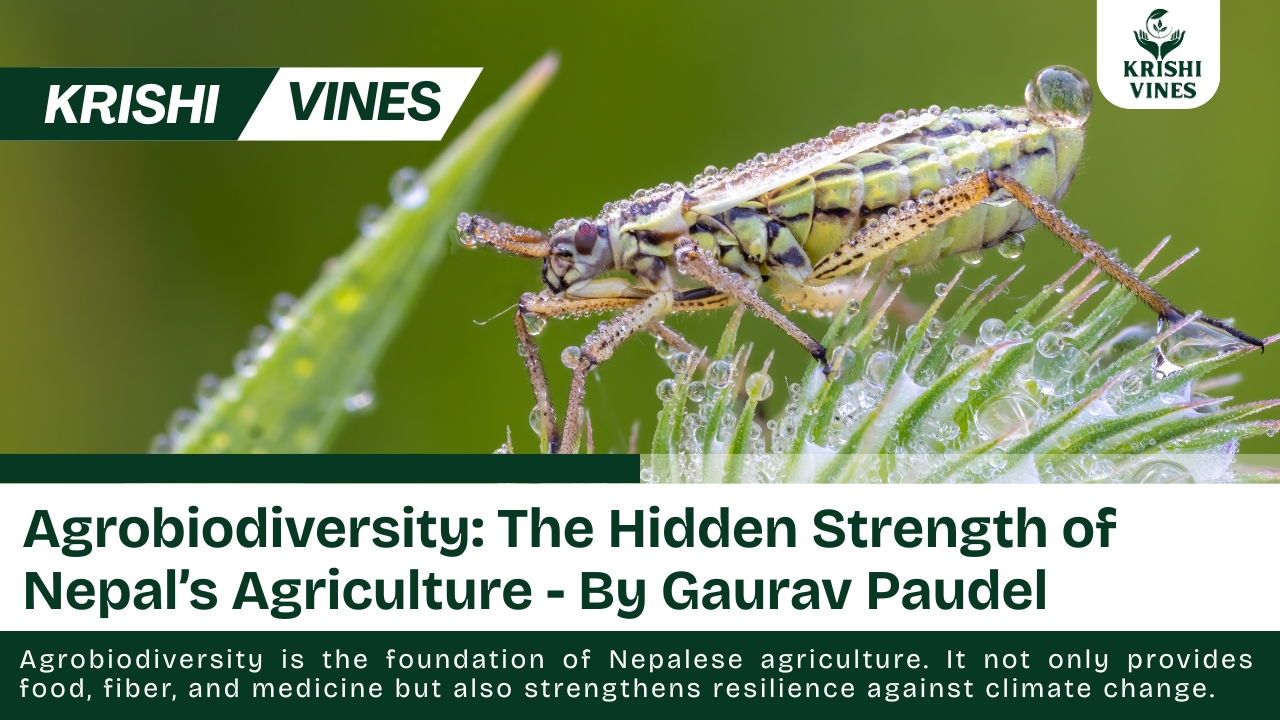
Pollinators, including bees, butterflies, birds, bats, and other insects, play a vital role in global food production and the maintenance of biodiversity. An estimated 75% of global food crops rely, at least in part, on pollination by these creatures. Their contribution to the economy and ecosystems cannot be overstated. However, with the increasing impact of climate change, the health and diversity of pollinator populations are under serious threat, jeopardizing the agrobiodiversity that supports resilient and productive agricultural systems. The declining number of pollinators could lead to reduced crop yields, lower food quality, and an overall loss of biodiversity.
The Importance of Pollinators to Agrobiodiversity
Agrobiodiversity refers to the variety of plant species and genetic resources that are part of agricultural systems. Pollinators contribute to this biodiversity by ensuring the successful reproduction of a wide range of plants. They facilitate cross-pollination, which promotes genetic diversity within plant species and helps maintain healthy ecosystems. Many fruit, vegetable, and seed crops depend on pollinators for fertilization, including apples, almonds, coffee, tomatoes, and numerous others. Without pollinators, agricultural landscapes would be less diverse and less productive, reducing the variety of food available to humans and animals.
Climate Change: A Growing Threat to Pollinators
Climate change is influencing the environment in various ways that directly and indirectly affect pollinator populations. These changes include shifts in temperature, altered precipitation patterns, extreme weather events, and habitat loss—all of which disrupt the delicate balance that pollinators rely on for survival.
- Temperature Increases
- Rising global temperatures are affecting the foraging behavior, physiology, and reproductive success of pollinators. For instance, bees are highly sensitive to temperature changes. Higher temperatures can affect their ability to regulate body heat, leading to lower activity levels and reduced foraging efficiency. In addition, heat stress may reduce the number of flowers they visit, limiting pollination services.
- Phenological Mismatches
- One of the most significant consequences of climate change is the disruption of the synchronization between pollinators and the plants they pollinate. Many plants rely on specific temperature and seasonal cues to bloom. As the climate warms, plants may begin flowering earlier than expected, while pollinators may still follow their traditional activity patterns. This mismatch in timing can result in fewer flowers being pollinated, affecting seed production and crop yields.
- Changes in Habitat and Food Availability
- Climate change alters ecosystems, often causing the loss of natural habitats that pollinators depend on for nesting, food, and shelter. As temperatures rise, plants may migrate to higher altitudes or latitudes, leaving pollinators without adequate food sources. Furthermore, extreme weather events such as storms, floods, and wildfires can destroy the habitats of pollinators, making it harder for them to survive and reproduce.
- Decline in Pollinator Populations Due to Pesticides and Disease
- Climate change may exacerbate the use of pesticides, as changing weather conditions can increase the prevalence of pests. Pesticides, particularly neonicotinoids, are harmful to many pollinators. Additionally, climate stress can weaken pollinators’ immune systems, making them more susceptible to diseases and pathogens, further threatening their populations.
- Impact on Migratory Pollinators
- Some pollinators, such as certain species of butterflies and birds, are migratory and travel long distances to fulfill their ecological roles. Climate change is altering their migration patterns by disrupting the availability of food and nesting sites. This can result in fewer migratory pollinators reaching the regions they traditionally help pollinate, leading to reduced pollination services.
Implications for Agrobiodiversity
The loss or decline of pollinator species directly impacts agrobiodiversity, reducing the variety of crops that can be grown successfully. The consequences for agriculture are profound:
- Reduced Crop Yields and Food Security
- Pollinators are responsible for the pollination of a wide range of crops, including many fruits, vegetables, and nuts. Without sufficient pollination, these crops will produce lower yields, threatening global food security. The resulting reduction in food diversity could lead to greater reliance on staple crops like rice, wheat, and corn, which do not depend on pollinators but provide fewer nutrients than pollinator-dependent crops.
- Loss of Genetic Diversity in Crops
- Pollination promotes genetic diversity by enabling cross-pollination between different plant varieties. This genetic diversity is crucial for crop resilience, particularly in the face of changing environmental conditions. As pollinator populations decline, the lack of cross-pollination could reduce genetic variation in crops, making them more susceptible to pests, diseases, and climate change.
- Ecosystem Imbalance and Decline in Wild Plant Species
- Pollinators not only affect agricultural crops but also play a critical role in the reproduction of wild plants. These plants, in turn, support a wide range of animal species and help maintain ecosystem balance. A decline in pollinator populations can lead to reduced reproduction of wild plants, causing a ripple effect throughout ecosystems, impacting everything from soil health to animal species dependent on these plants for food and habitat.
- Economic Impacts
- The economic value of pollination services is immense. It is estimated that pollinators contribute billions of dollars annually to global agriculture. The decline of pollinators could lead to increased costs for farmers who may need to adopt labor-intensive manual pollination techniques or see reduced profits due to lower yields. In some cases, farmers may shift to less diverse, pollinator-independent crops, reducing overall agricultural diversity.
Solutions and Conservation Strategies
To protect pollinators and preserve agrobiodiversity, concerted efforts must be made to mitigate the impacts of climate change and promote conservation practices:
- Habitat Restoration and Protection
- Restoring natural habitats and creating pollinator-friendly landscapes, such as planting wildflowers and maintaining green spaces, can help provide pollinators with food and shelter. Protecting existing natural habitats, including forests, wetlands, and grasslands, is essential to maintaining the ecosystems that support pollinators.
- Promoting Sustainable Agriculture
- Agricultural practices that reduce chemical use, such as integrated pest management and organic farming, can lessen the harmful effects of pesticides on pollinators. Encouraging crop diversification and agroforestry can also provide more habitat and food sources for pollinators, fostering both biodiversity and agricultural resilience.
- Climate Adaptation Strategies
- Farmers can adopt climate-smart agricultural practices, such as planting climate-resilient crop varieties and altering planting schedules to better align with pollinator activity. Policymakers should also promote strategies that support both pollinators and agricultural productivity in the face of climate change.
- Research and Monitoring
- More research is needed to understand the specific impacts of climate change on pollinators and the ecosystems they support. Monitoring pollinator populations and their responses to environmental changes can help guide conservation efforts and inform policies aimed at preserving pollinator health and biodiversity.
- Reducing Greenhouse Gas Emissions
- Ultimately, the most effective way to protect pollinators and agrobiodiversity from climate change is to address the root cause: global greenhouse gas emissions. International efforts to reduce carbon emissions, coupled with local conservation initiatives, are critical for mitigating the long-term impacts of climate change on pollinators.
Conclusion
Pollinators are essential to maintaining agrobiodiversity and ensuring the sustainability of global food systems. However, climate change poses significant threats to their survival, jeopardizing not only agricultural productivity but also the diversity of ecosystems. Protecting pollinators through habitat conservation, sustainable agricultural practices, and climate adaptation strategies is vital for safeguarding the health of our planet and ensuring a resilient and diverse agricultural future. The fate of pollinators is inextricably linked to our ability to combat climate change and maintain the biodiversity that supports life on Earth.