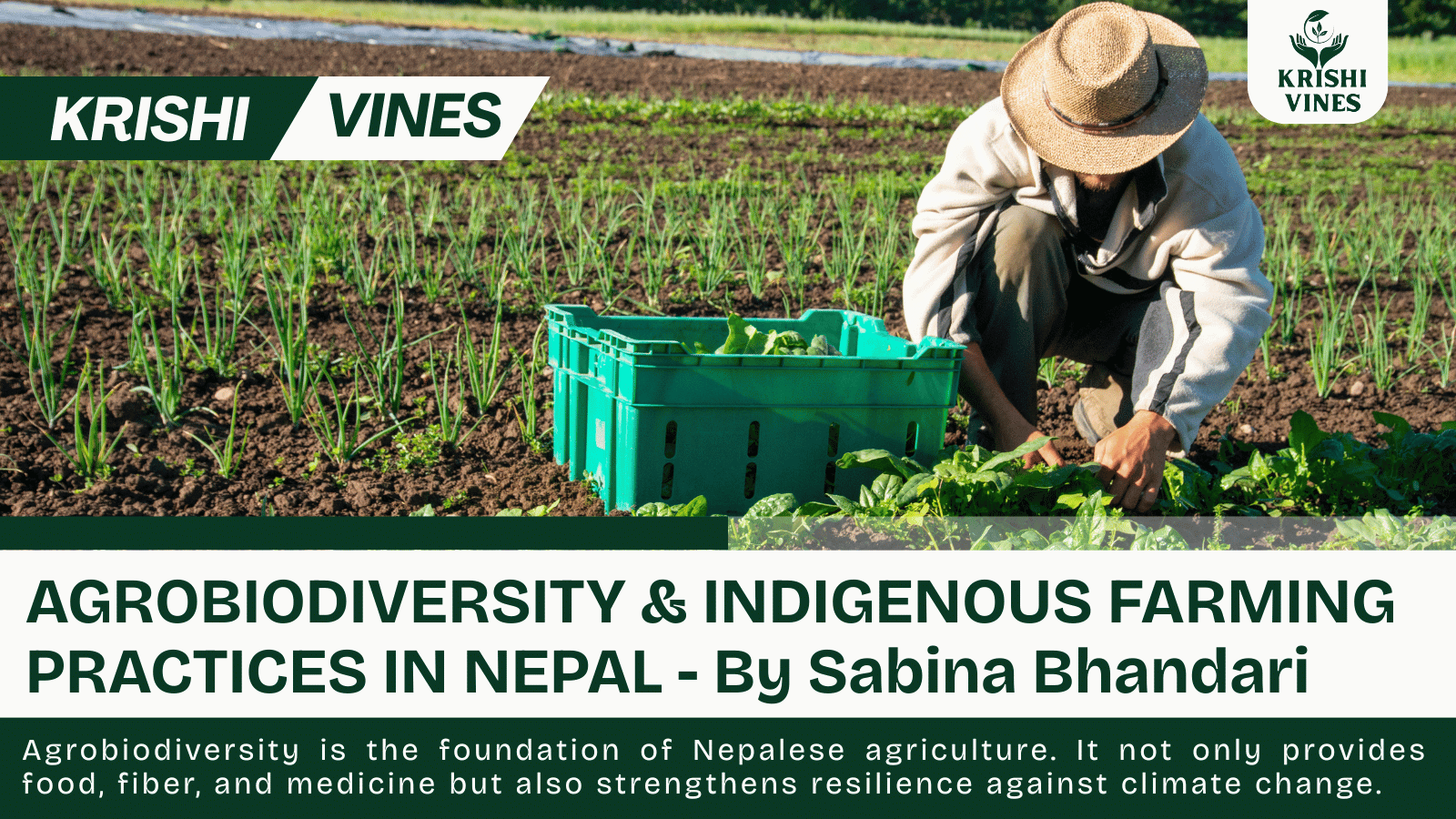
Nepal, with its diverse agroecological zones, is highly vulnerable to climate change impacts, such as erratic rainfall patterns, droughts, and rising temperatures. These changes threaten food security, livelihoods, and ecosystems, especially for smallholder farmers who rely on traditional agricultural practices. In response, there is a growing emphasis on developing and promoting climate-resilient crops through the sustainable use of agrobiodiversity.
Agrobiodiversity in Nepal
Agrobiodiversity refers to the variety of plants, animals, and microorganisms used in agriculture, including traditional crops, wild relatives, and local varieties. Nepal is home to a wealth of agrobiodiversity due to its topographical and climatic variations. Local farmers have preserved a wide array of indigenous crops, including rice, maize, millet, barley, buckwheat, and pulses, as well as various fruit and vegetable species. These crops are often more resilient to climatic stresses and pests, making them crucial for adaptation to changing environmental conditions.
Importance of Climate-Resilient Crops
Climate-resilient crops are those that can withstand the impacts of climate change, such as drought, flooding, heat, and cold. These crops offer several benefits:
1. Adaptation to Harsh Conditions:
Indigenous and local varieties often have deep roots, shorter growing cycles, or higher resistance to diseases, making them better suited to fluctuating climates.
2. Food Security:
Climate-resilient crops help ensure consistent yields even in adverse weather, reducing the risk of food shortages.
3. Sustainable Agriculture:
These crops typically require fewer chemical inputs like fertilizers and pesticides, promoting environmentally sustainable farming practices.
Examples of Climate-Resilient Crops in Nepal
1. Finger Millet (Eleusine coracana): A drought-tolerant crop traditionally grown in the hills of Nepal. It is resistant to poor soils and high temperatures, making it an ideal crop in arid regions.
2. Foxtail Millet (Setaria italica): Another millet variety, foxtail millet is known for its ability to grow in low-fertility soils and its resilience to water scarcity.
3. Buckwheat (Fagopyrum esculentum): Buckwheat is well-adapted to high-altitude regions and performs well in poor soils and cold conditions.
4. Amaranth (Amaranthus spp.): Known for its high nutritional value, amaranth is drought-resistant and can thrive in both arid and semi-arid conditions.
5. Sorghum (Sorghum bicolor):Sorghum is a drought-tolerant crop that can grow in hot, dry regions. It is a staple grain in parts of Nepal, particularly in the Terai region. Sorghum is also resistant to waterlogging and can survive in varying soil types, making it ideal for climate variability.
6. Taro (Colocasia esculenta):Taro, locally known as Pindalu, is a tuber crop grown in both hills and the Terai. It is resilient to heavy rainfall and flooding conditions, and can also tolerate partial drought, making it suitable for the shifting monsoon patterns in Nepal.
7. Barley (Hordeum vulgare): Barley is highly adaptable to cold, high-altitude environments and is a traditional crop in the Himalayan regions of Nepal. It matures quickly and is drought-tolerant, which makes it a good option for areas with shorter growing seasons and less water availability.
8. Cassava (Manihot esculenta): Cassava is a drought-resistant root crop that can grow in poor soils with minimal inputs. Though not widely cultivated in Nepal, it has the potential to be an important crop in drought-prone areas, as it can produce yields even with limited water.
9. Drought-Resistant Rice Varieties: In collaboration with international organizations, Nepal has developed several drought-resistant rice varieties, such as Sukha Dhan, which can endure dry spells and are crucial for food security in water-scarce regions.
10. Other different crops developed through plant breeding techniques which are resistant to several biotic and abiotic stresses.
Challanges for promoting Climate resilent crops in Nepal
1. Limited Awareness and Knowledge: Farmers, especially in remote areas, may lack awareness of climate-resilient crops and the benefits they offer. Traditional practices often dominate, with limited access to information about new crop varieties or methods to cope with climate impacts.
2. Inadequate Research and Development: There is insufficient research into developing crop varieties that are suited to Nepal’s diverse agro-climatic zones. Resources for local research institutions are often limited, hindering the development of region-specific solutions.
3. Poor Seed Supply and Distribution Networks: Even when climate-resilient crops are developed, farmers may not have access to the seeds due to weak distribution channels, poor infrastructure, and lack of awareness about where to obtain them.
4. Financial Constraints: Farmers may lack the financial resources to invest in new seeds, technologies, or practices. Smallholder farmers, who make up the majority in Nepal, are especially vulnerable due to their limited access to credit and insurance.
5. Market Access and Incentives: Climate-resilient crops may not fetch higher market prices initially, making it difficult for farmers to justify shifting away from traditional crops. There may also be a lack of supportive policies or incentives to encourage the adoption of these crops.
6. Changing Climatic Patterns: Unpredictable weather patterns and the variability of climate impacts across Nepal’s geography make it difficult to prescribe a one-size-fits-all solution for resilient cropping.
7. Institutional and Policy Gaps: While Nepal has climate action plans, the implementation at the grassroots level is often slow. Lack of coordination between local, provincial, and national bodies can hinder efforts to promote climate-resilient agriculture.
Strategies for Promoting Climate-Resilient Crops
1. Farmer-Led Research: Engaging local farmers in participatory plant breeding programs allows for the selection of crops that are most suitable for their specific regions. This ensures that the crops being developed meet local needs and conditions.
2. Seed Banks and Exchange Networks: Establishing community seed banks and facilitating seed exchanges among farmers can preserve local varieties and encourage the dissemination of climate-resilient crops.
3. Agroforestry and Mixed Cropping Systems: Integrating climate-resilient crops into agroforestry systems or mixed cropping can enhance biodiversity, reduce risks of total crop failure, and improve soil health.
4. Training and Awareness Programs: Educating farmers on the benefits of agrobiodiversity and climate-resilient crops is crucial for widespread adoption. Training programs should focus on sustainable farming techniques and the management of local crop varieties.
5. Improving Seed Systems: Strengthen the supply chain for seeds by improving storage facilities, ensuring timely distribution, and enhancing local seed banks. This will give farmers easier access to the seeds of climate-resilient crops.
6. Providing Financial Support: Offer subsidies, low-interest loans, and crop insurance to farmers who adopt climate-resilient crops. Creating microfinance options or partnerships with NGOs could provide critical support for smallholder farmers.
7. Developing Climate-Smart Agricultural Practices: Promote integrated pest management, agroforestry, and conservation agriculture as complementary strategies. Training farmers to manage water resources efficiently, using organic fertilizers, and improving soil health can increase resilience.
8. Enhancing Market Access and Value Chains: Develop value chains for climate-resilient crops to ensure farmers can access markets and receive fair prices. Creating cooperatives or linking farmers with agro-businesses can improve the commercialization of these crops.
9. Strengthening Climate Adaptation Policies: At the policy level, integrating climate resilience into the broader agricultural policy framework is critical. Local governments need to play an active role in promoting climate-resilient agricultural practices with clear, measurable goals.
10. Community-Led Initiatives: Engaging communities in planning and decision-making processes ensures local ownership and relevance. Community seed banks, cooperatives, and farmer-led research initiatives can be key drivers of adopting climate-resilient crops.
11. Policy and Institutional Support: To effectively harness agrobiodiversity for climate resilience, the government of Nepal, alongside NGOs and international bodies, needs to:
Conclusion
Nepal’s rich agrobiodiversity holds immense potential for building a more resilient agricultural system in the face of climate change. By focusing on traditional and indigenous crops, supporting farmers, and integrating agrobiodiversity into agricultural policies, the country can enhance its food security and protect its ecosystems. Sustainable agriculture rooted in climate-resilient crops is essential for the livelihoods of Nepalese farmers and the overall health of the environment.