Introduction
Agrobiodiversity, or agricultural biodiversity, refers to the variety and variability of plants, animals, and microorganisms that are directly or indirectly involved in food and agriculture. It includes the diversity of species used in agriculture, such as crops, livestock, and their wild relatives, as well as the ecosystems in which they are cultivated. Agrobiodiversity is crucial for ensuring food security, ecological sustainability, and resilience to climate change. However, in the face of modern agricultural intensification, there is growing concern about the loss of agrobiodiversity. Conservation strategies are urgently needed to protect this critical resource. These strategies can broadly be divided into two approaches: traditional knowledge-based conservation and modern scientific practices. While both approaches have unique strengths, integrating them may offer the most effective solutions for conserving agrobiodiversity.
Traditional Knowledge-Based Conservation
Traditional knowledge refers to the indigenous and local practices that have been passed down through generations. These practices are often closely linked to the natural environment and are based on a deep understanding of the local ecosystem, including its biodiversity.
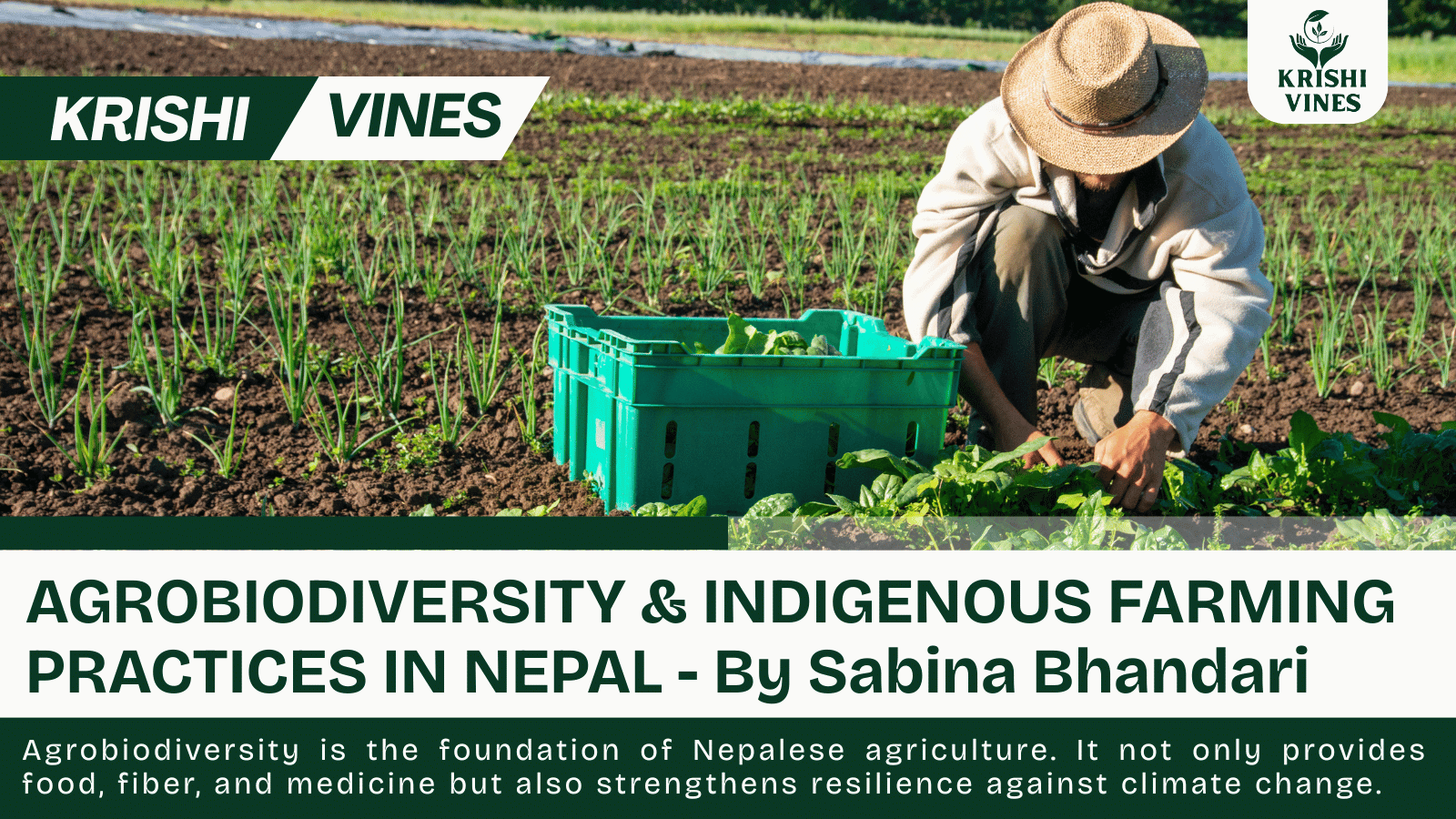
1. Seed Saving and Exchange Systems: One of the most prominent conservation strategies in traditional knowledge is seed saving and exchange. Farmers have long practiced the collection and storage of seeds from one growing season to the next, ensuring the preservation of diverse plant varieties. These local seed systems often include the sharing and trading of seeds within communities, allowing for the spread of genetically diverse crops and reducing the risk of genetic erosion.
2. Polyculture and Crop Rotation: Traditional farming systems often employ polyculture (growing multiple species together) and crop rotation. These practices not only maintain biodiversity but also improve soil health and reduce pest pressures. Polyculture encourages genetic diversity, while crop rotation helps maintain the fertility of the soil and reduces the buildup of pests and diseases associated with monoculture.
3. Cultural and Spiritual Significance: In many indigenous and local communities, certain species hold cultural or spiritual importance, which leads to their intentional preservation. For example, specific varieties of crops may be used in rituals or as part of traditional diets, ensuring their continued cultivation and survival. While traditional knowledge is invaluable in maintaining agrobiodiversity, it is often under threat due to globalization, market pressures, and the spread of industrial agriculture. The erosion of traditional knowledge can lead to the loss of agrobiodiversity as modern farming practices focus on high-yield, uniform crop varieties at the expense of diverse local species.
Modern Scientific Conservation Practices:
Modern conservation strategies for agrobiodiversity focus on using scientific tools and technologies to preserve genetic diversity in crops and livestock. These methods often involve ex-situ conservation (outside their natural habitat) and in-situ conservation (within their natural environment).
1. Gene Banks and Seed Vaults: One of the most widely recognized modern strategies is the establishment of gene banks, which store seeds and genetic material of diverse crop varieties for future use. The Svalbard Global Seed Vault in Norway, for example, holds seeds from around the world in case of natural disasters, wars, or other catastrophic events that could threaten agricultural systems. Gene banks play a critical role in conserving crop genetic diversity, which may be vital for breeding programs that aim to develop crops resilient to climate change, pests, and diseases.
2. Breeding Programs and Biotechnology: Modern agricultural science also employs plant breeding and biotechnology to enhance agrobiodiversity. Breeding programs focus on developing new crop varieties with desirable traits such as pest resistance, drought tolerance, or improved nutritional content. Biotechnology tools, such as genetic modification or CRISPR-based gene editing, allow for more precise manipulation of crops. These technologies can contribute to agrobiodiversity by introducing novel traits or by preserving endangered species through genetic interventions.
3. Protected Areas and Agroecological Approaches: In-situ conservation efforts often focus on preserving the natural ecosystems in which traditional agricultural practices thrive. Agroecology, which emphasizes the integration of ecological principles in farming systems, is a modern approach that promotes biodiversity within agricultural landscapes. Protected areas such as biosphere reserves, national parks, or other conservation zones can play an essential role in safeguarding the biodiversity of traditional agricultural systems.
Comparing Traditional and Modern Approaches
Both traditional knowledge and modern scientific practices offer important strategies for the conservation of agrobiodiversity. Traditional practices are often deeply embedded in local cultures and ecosystems, making them highly adaptable to specific environments. However, these practices can be vulnerable to external pressures such as market demands, land use changes, and cultural erosion. On the other hand, modern scientific approaches, while powerful, often focus on ex-situ conservation methods that may not account for the ecological, cultural, and social contexts in which agrobiodiversity exists. Traditional systems emphasize the holistic management of landscapes, often integrating biodiversity into agricultural production systems. In contrast, modern approaches sometimes isolate biodiversity conservation from farming systems, focusing on gene banks or specialized breeding programs. The challenge is that while modern methods can store genetic material, they may not ensure the ongoing evolution and adaptation of species in their natural environments, something that traditional systems naturally promote.
Towards an Integrated Approach
Rather than viewing traditional and modern conservation strategies as mutually exclusive, a more effective approach may involve integrating the strengths of both. This can be done through participatory breeding programs, where farmers and scientists collaborate to select and develop new varieties based on both traditional knowledge and modern genetic tools. Additionally, policies that support local seed systems and recognize the value of traditional knowledge can help bridge the gap between indigenous practices and scientific innovation. Furthermore, agroecological practices that combine traditional land management with modern ecological science can help create farming systems that are productive, resilient, and diverse. Such integrated approaches can contribute to both food security and the preservation of agrobiodiversity in the face of global challenges such as climate change and population growth.
Conclusion
The conservation of agrobiodiversity is critical for ensuring sustainable food systems, ecological resilience, and cultural heritage. Both traditional knowledge and modern scientific practices offer valuable tools for protecting agrobiodiversity. While traditional methods are rooted in ecological and cultural contexts, modern scientific approaches bring technological advancements to the table. The key to effective conservation may lie in combining these approaches, using the strengths of each to protect and enhance agrobiodiversity for future generations. By recognizing and valuing both traditional and modern strategies, we can create resilient agricultural systems that support biodiversity and ensure long-term sustainability.