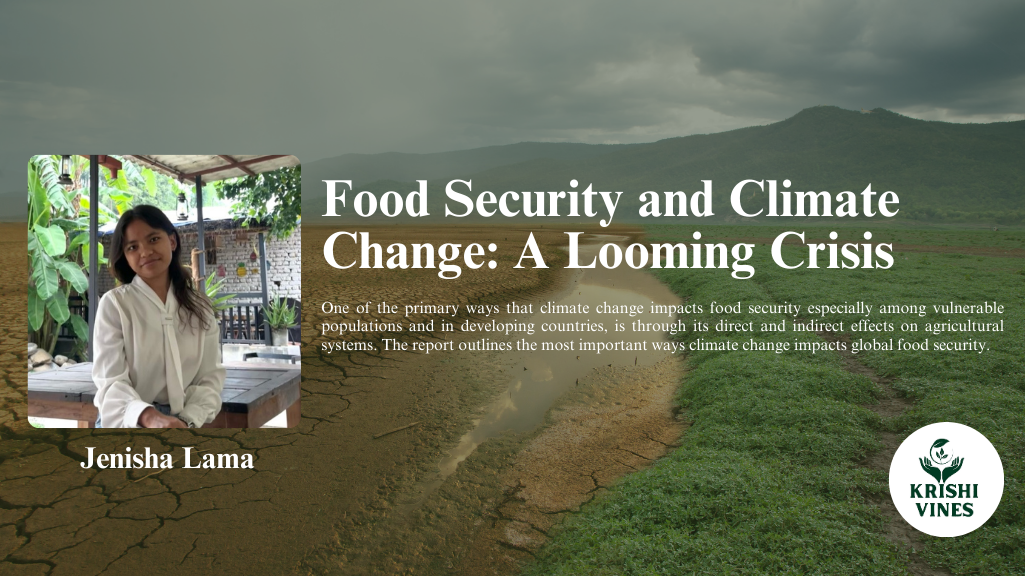
Climate Change and Food Security
One of the primary ways that climate change impacts food security, especially among vulnerable populations and in developing countries, is through its direct and indirect effects on agricultural systems. The report outlines the most important ways climate change impacts global food security, including:
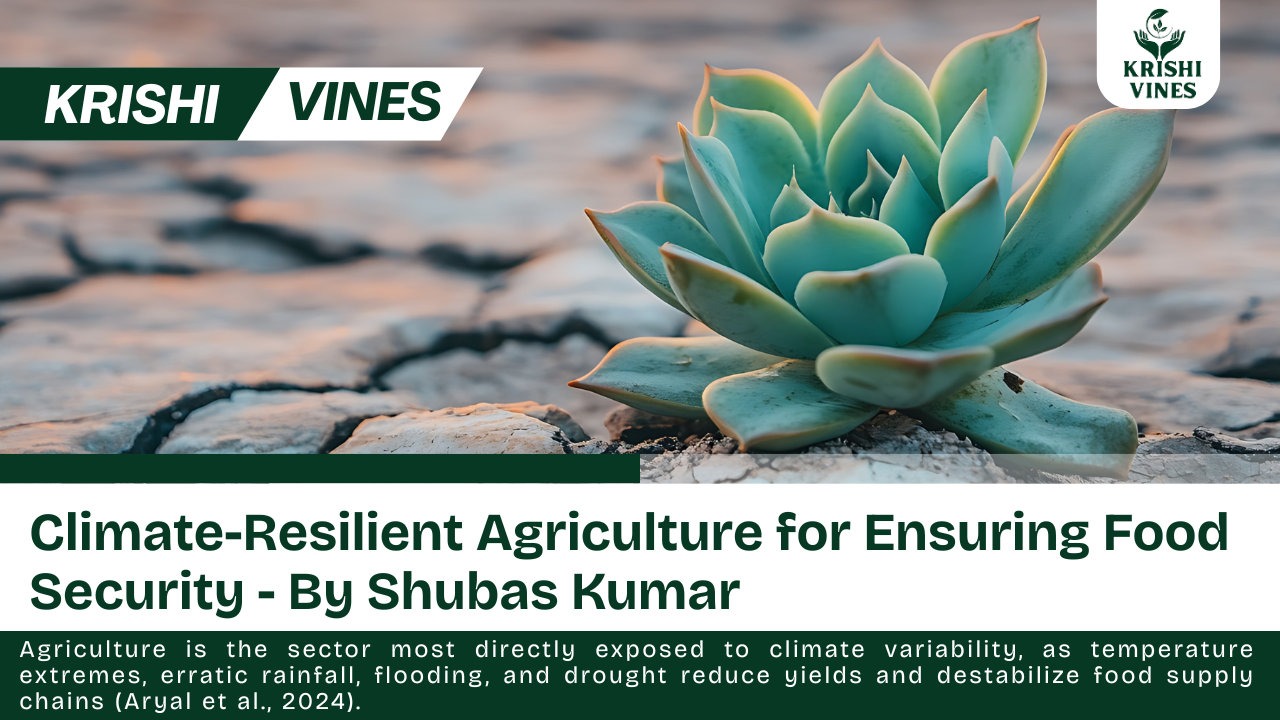
Worsening of Extreme Weather Events: Increased global temperatures have increased the frequency and strength of extreme weather events like floods, droughts, and hurricanes. The events kill crops, halt livestock production and cut access to fresh water. A long drought could eliminate crops and farmers livelihoods, thus leaving little in the way of goods to trade or food for communities.
Change in the length of growing seasons and crop yields: More variable climate conditions lead to a reduction/increase/change in prevalence or rate of sowing period, growing season length & temperature patterns (e.g., higher night time temperatures during grain fill can severely reduce yield) for continuous cropping opportunities along with changes like slow-down growth autotrophy process due specifically to below ground understanding biomass effects. Due to the temperature range and seasonal patterns many crops are reliant on, yields can be reduced.
Temperature-induced risks: The most important crops for the global food supply, such as maize (corn), wheat and rice are sensitive to changing temperatures. Any slight change in temperature or precipitation can have disastrous crop yields, thus leading to widespread food shortages and price increases.
Soil Degradation: The Agricultural Bill and Its Alternatives Interview with Vance Crow Climate change adds the problems, which has led to land degradation including soil erosion, desertification and salinization all of which result in low crop yield. And the more topsoil that’s depleted, the harder it is to produce food.
Diminishing Sources of freshwater: Climate change causes higher levels of evaporation as well as more erratic patterns in rainfall, reducing the quantity and predictability of water supplies for irrigating crops drinking by animals. Water sources are drying up in parts of the world, causing clashes over water rights and challenges to agricultural production.
Pests and Diseases: Warmer temperatures may broaden the ranges/survival of crop pests/pathogens in previously unaffected areas. They are easily infected by rats and other parasites meaning a reduction in food providing systems. Pests are moving from one region to another devouring and depleting food supplies.
How Climate Change Affects Livelihoods and Food Access
Climate change affects more than just production – it also impacts food access. In rural areas, in many backward regions agriculture is the main occupation. The end result may be less income for small-scale farmers, which in turn only serve to expand poverty affecting low-income populations and make adequate food even more unreachable.
Thus, poor populations are hardest hit by food price volatility due to changes in crop yields or supply chain disruptions. As food prices increase due to a poor harvest, or because of an environmental disaster there is the inevitable irony that with less money in their pockets for the same amount of food they had before price increases, this also translates into more malnutrition; the number of people facing health issues related to nutritional disease goes up.
Adaptation and mitigation strategies
While dealing with the complications of climate change on food security, it will demand a combination of mitigation efforts and adaptation strategies.
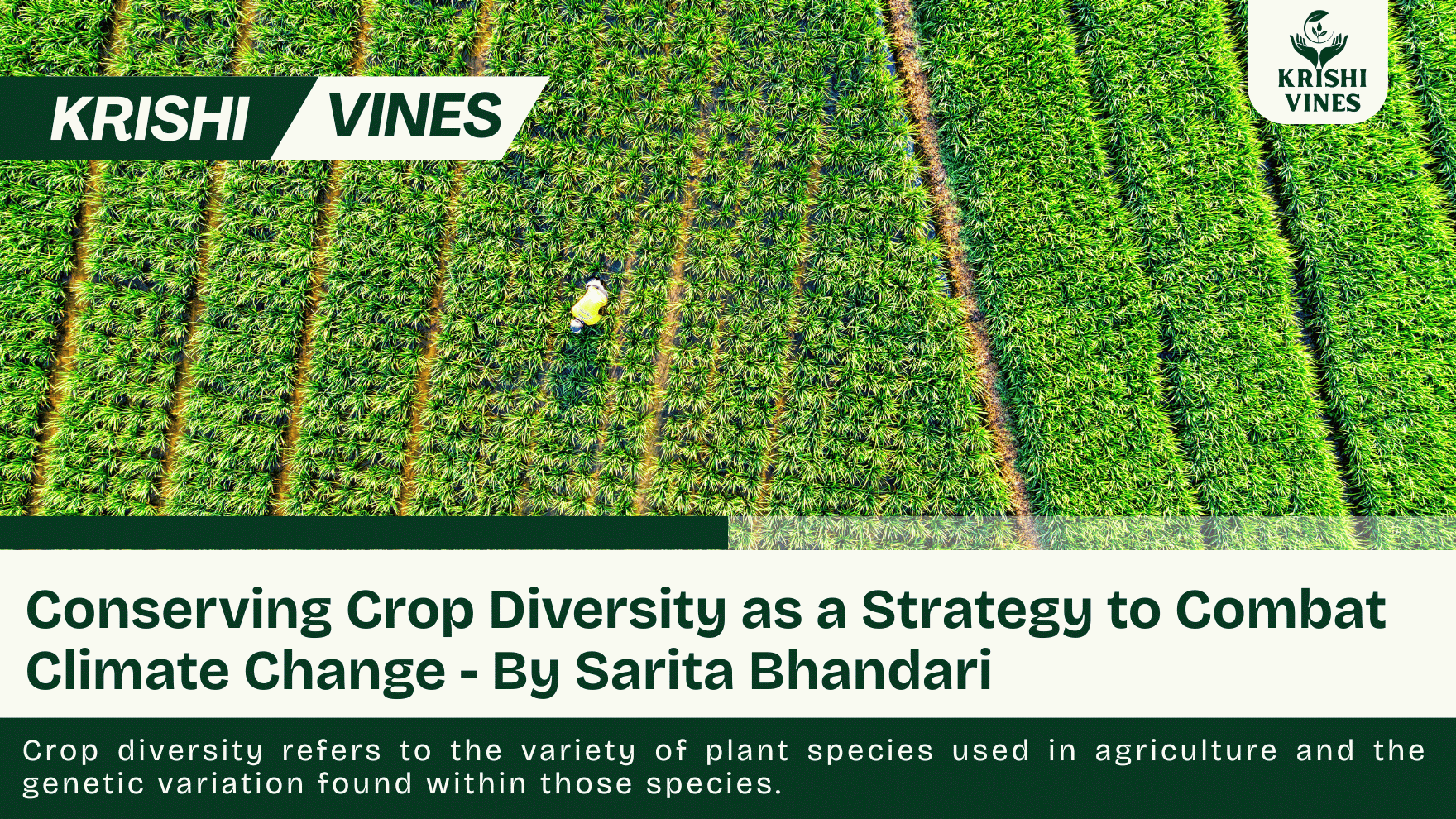
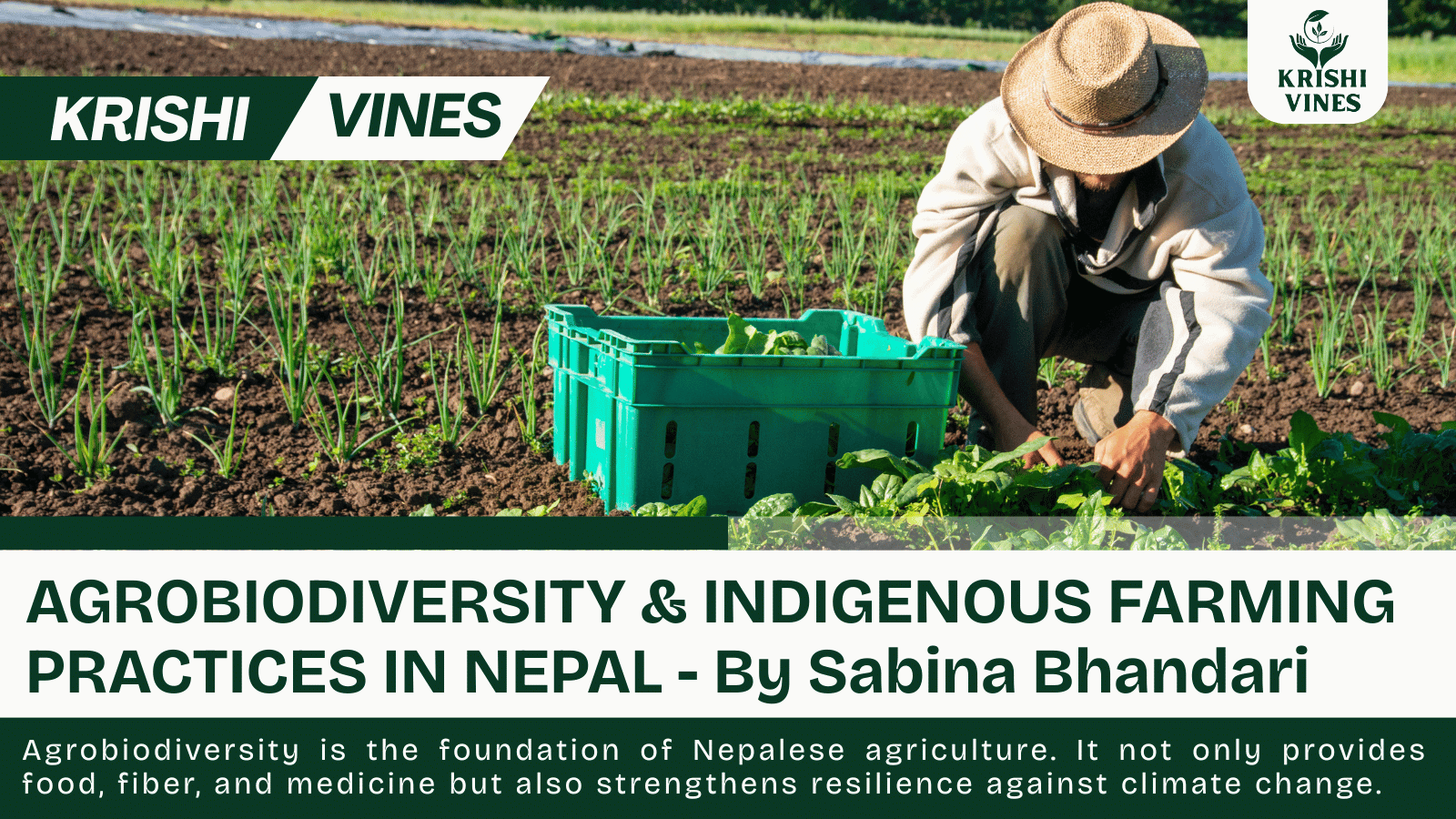
Sustainable Agricultural Practices: These include relying on sustainable farming techniques like agroforestry, crop diversification and conservation tillage to minimize the impact of agriculture on environment. These include the promotion of soil health, and a reduction in water waste while building resilience to climate shocks.
Modern Irrigation and Water Management: Modern irrigation for water resources conservation (for example, drip irrigation, Seedling catcher etc.). Providing water at needed times requires investment in storage for agriculture, as well other community infrastructure.
Climate-Smart Agriculture (CSA): Integrating climate adaptation and mitigation into agriculture such as promoting drought tolerant crop varieties, provision of weather forecasting services to farmers, support for renewable energy resources in farming. Climate Smart Agriculture refers to farming systems that deliver improved productivity for farmers and reduce factors which contribute towards climate change by reducing greenhouse gas emissions.
Food supply chain intervention: Developing more resilient food supply chains to aid in uninterrupted access to food during climate disruptions. It says farming practices should be diversified, storage facilities improved and investment in local food systems increased to counter the impact of climate change on how foods move across landscapes.
Education and training: Farmers require knowledge, skills to cope with climate variability. Educative programs concerning sustainable techniques, pest management and water conservation can lead the communities to a loving self-sufficiency.
Governments and Global Cooperation
Addressing the challenges of climate change and food security today demands global coordination. Policies to support sustainable agriculture, climate resilience and food access for the most vulnerable populations are key components of government action. National / regional governments should be assisted by international organizations, NGOs and the private sector in resources – funding technology; sharing platforms with important knowledge.
Simultaneously, individual nations need to focus policy towards increased renewable energy production, lowered greenhouse gas emissions and research development of adapted agricultural processes. Aside from preventing climate change, these measures will help build a resilient and secure global food system.
Conclusion
Our planet is changing under the influence of climate change, now providing us with even more uncertainty for food security. Its effects on agriculture, water resources and rural livelihoods are catastrophic for the worst-off and most vulnerable. This is a complex issue without an easy answer, but it will come down to adaptation and sustainability on our end as well as the concerted effort of nations around the world.
Feeding the expanding human population and protecting the hundreds of millions whose livelihoods depend directly on rain-fed agriculture will necessitate addressing climate change, said Sherell. It is up to all of us as we collectively address these challenges, in the name of sustainability and resilience for future generations.