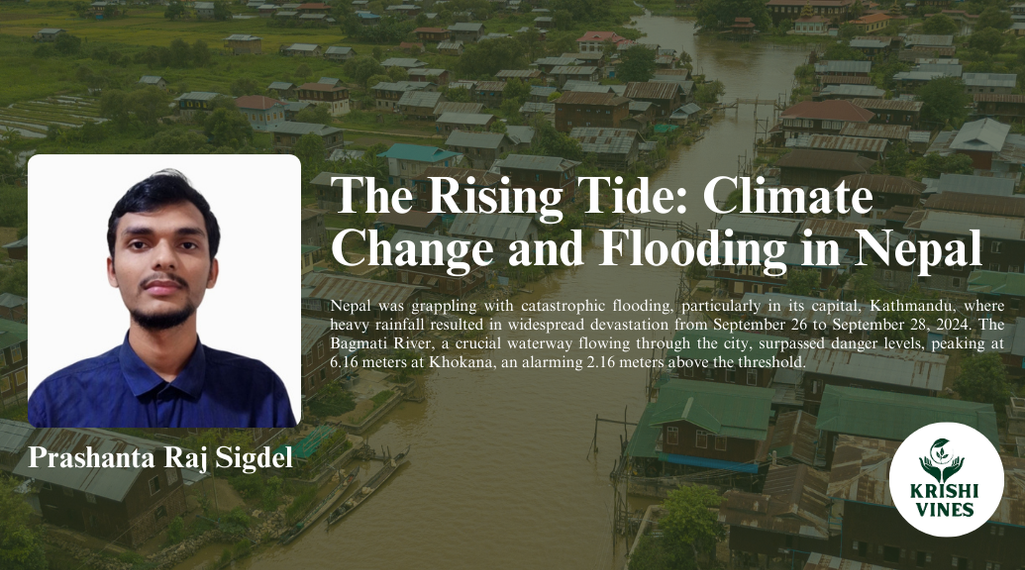
Nepal was grappling with catastrophic flooding, particularly in its capital, Kathmandu, where heavy rainfall resulted in widespread devastation from September 26 to September 28, 2024. The Bagmati River, a crucial waterway flowing through the city, surpassed danger levels, peaking at 6.16 meters at Khokana, an alarming 2.16 meters above the threshold. Over three days, some areas in the Kathmandu Valley experienced more than 340 mm of rainfall, causing rivers throughout eastern and central Nepal to swell dangerously. The Narayani River at Devghat reached 11.5 meters, while the Sunkoshi River in Khurkot matched this height, exceeding safety levels by nearly three meters. As the situation deteriorated, rescue teams were deployed to assist residents stranded in their homes, using boats and helicopters to carry out emergency evacuations.
The human toll of this disaster was staggering, with the Nepal Police Headquarters reporting that over 228 lives were lost due to the floods and landslides, with many others injured and missing. It’s horrifying how landslides can erase lives, homes, and livelihoods in an instant, they occur suddenly and bring about tremendous suffering in a matter of moments. Major roadways were closed, and domestic air travel was disrupted, exacerbating an already dire situation. A low-pressure system in the Bay of Bengal, combined with an unusually positioned monsoon trough, was identified as the culprit behind this sudden deluge.
Experts pointed out that climate change played a significant role in these extreme weather events, leading to increased precipitation and unpredictable rainfall patterns across Asia. While the immediate impact of the floods was devastating, long-term implications for Nepal’s infrastructure and economy were equally concerning. Scientists highlighted that the rise in flood risk was not solely due to climate change but was also exacerbated by unplanned urban development, especially on floodplains. Poorly constructed drainage systems and encroachments on riverbanks left many areas ill-prepared to handle excessive water flow. In light of this, experts urged governments and city planners to invest urgently in both engineered and nature-based solutions to mitigate flood risks.
The recent floods had a catastrophic impact on Nepal’s economy, which was heavily reliant on agriculture. Preliminary estimates suggested economic losses could reach around Rs 17 billion, with agriculture taking the hardest hit. The government anticipated initial losses in the agriculture sector alone might amount to Rs 6 billion, significantly affecting food production and pushing prices upward. This had dire implications for low-income households, who typically allocated a significant portion of their income to food. As agricultural yields diminished, the economic ripple effects likely included reduced economic growth, increased food imports, and heightened food insecurity for vulnerable populations.
As the situation unfolded, government officials emphasized the urgent need for a coordinated response. Experts outlined the challenges posed by the disaster, stating that 21 districts had been affected, with the Kathmandu Valley being one of the hardest hit. The floods caused extensive damage to infrastructure, including highways, telecom sites, and hydropower projects. Experts warned that without prudent financial management, the economic upheaval triggered by this disaster could be substantial, affecting key sectors such as agriculture, energy, and tourism.
Prime Minister KP Sharma Oli highlighted the need for global leaders to take decisive action on climate change during the UN General Assembly. He emphasized that the challenges faced by countries like Nepal were largely self-inflicted and required collaborative efforts to address. As the government mobilized resources for search and rescue operations, there was a pressing need for a comprehensive assessment of losses and a clear plan for relief and reconstruction. Meanwhile, the potential for future extreme weather events serves as a reminder of the critical need for sustainable urban planning and climate resilience strategies.
In conclusion, the floods that ravaged Nepal underscore the urgent need for a multifaceted approach to disaster management and climate adaptation. While climate change undoubtedly exacerbated extreme weather events, it is important to address the underlying issues of urban development and infrastructure resilience. The recent floods brought not only loss of life and property but also a stark warning about the economic fragility of a nation that relied heavily on agriculture and natural resources. As Nepal navigates the aftermath of this disaster, it is essential to adopt a holistic approach that combines immediate relief efforts with long-term strategies to enhance resilience and mitigate future risks. The time for action is now, for both the sake of the people of Nepal and the integrity of its natural environment.