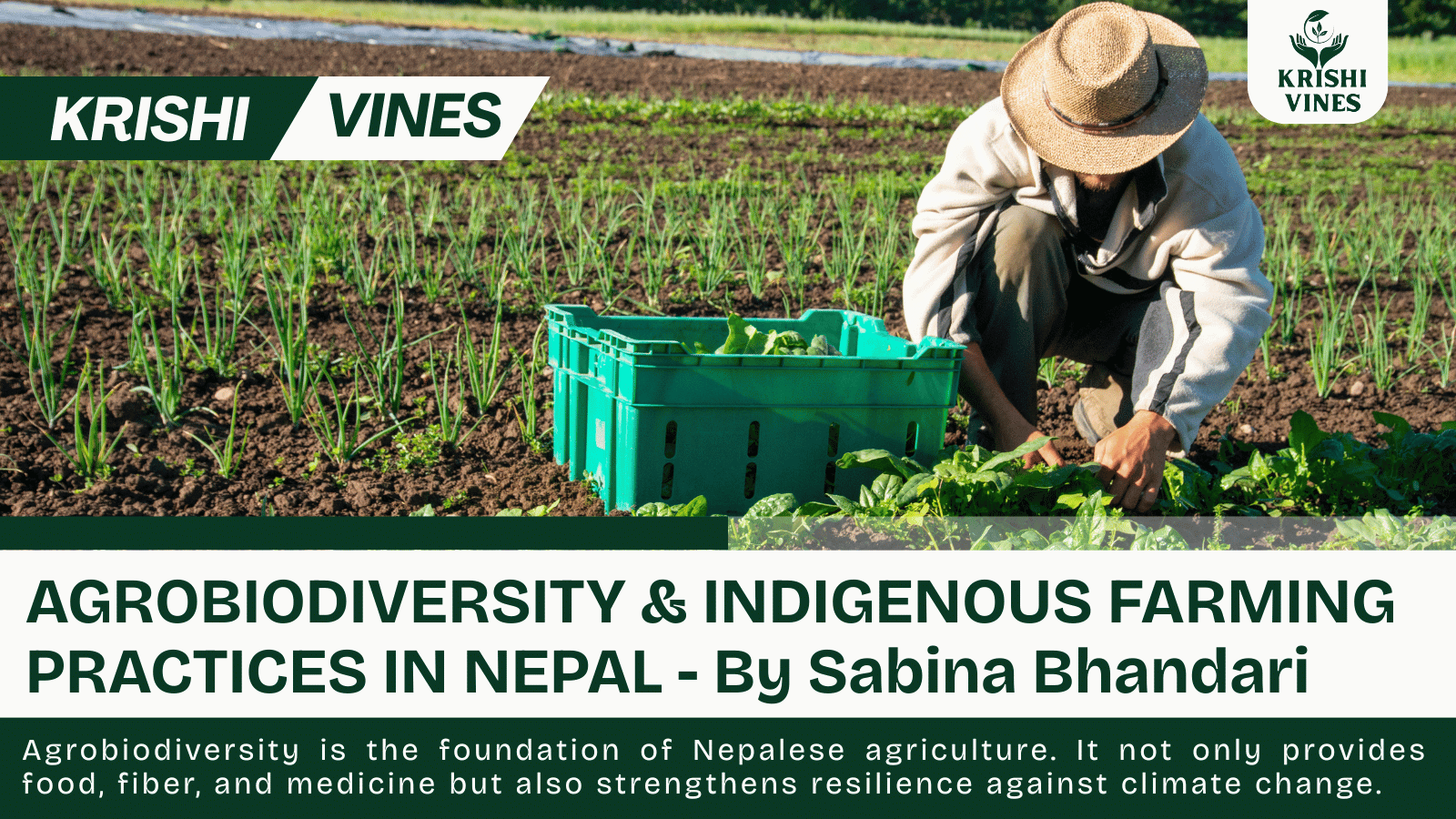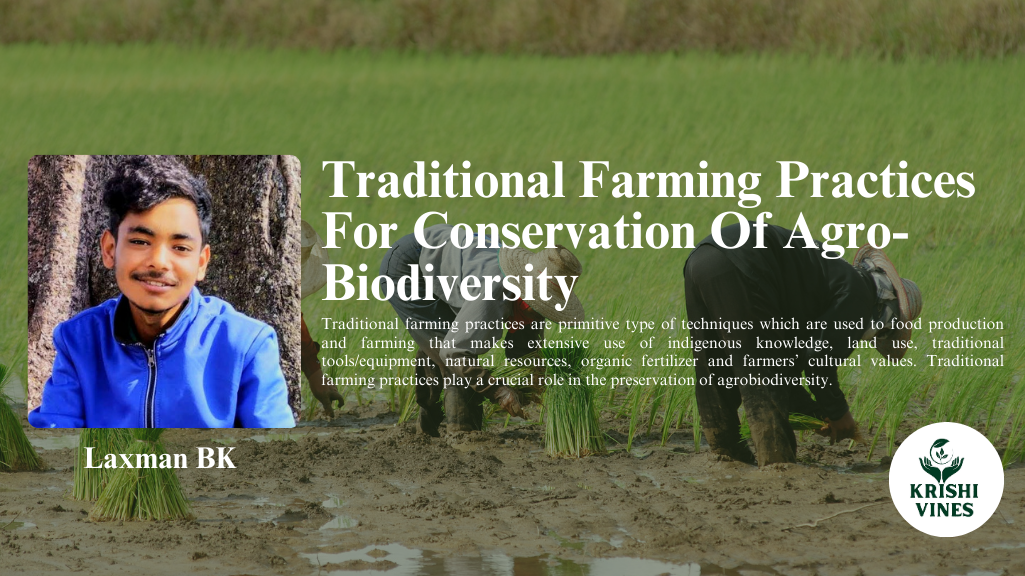
Traditional farming practices are primitive type of techniques which are used to food production and farming that makes extensive use of indigenous knowledge, land use, traditional tools/equipment, natural resources, organic fertilizer and farmers’ cultural values. Traditional farming practices play a crucial role in the preservation of agrobiodiversity. These methods, often passed down through generations, are typically more sustainable and environmentally friendly compared to modern agricultural practices. Here are some key aspects of traditional farming that help preserve agrobiodiversity:
- Agroforestry
Agroforestry is a land-use management system that integrates trees, crops, and/or livestock in a sustainable way. This practice plays a significant role in enhancing agrobiodiversity and offers several ecological and economic benefits. Agroforestry is a powerful tool for promoting agrobiodiversity, offering ecological, economic, and social benefits. By integrating trees into agricultural systems, farmers can enhance biodiversity, improve ecosystem services, and create sustainable farming practices that benefit both people and the planet.
- Intercropping
Intercropping plays a significant role in enhancing agrobiodiversity by promoting a diverse and resilient agricultural ecosystem. Intercropping contributes to agrobiodiversity by creating microclimate, by increased plant diversity, by reducing and natural control of disease and pest and by improving soil health, etc. Intercropping is a powerful practice that enhances agrobiodiversity by promoting plant diversity, improving soil health, and creating resilient agricultural systems. By integrating various crops, farmers can foster healthier ecosystems, reduce reliance on chemical inputs, and contribute to sustainable agricultural practices.
- Crop rotation
Crop rotation is a vital agricultural practice that significantly contributes to agrobiodiversity. By systematically alternating different crops in the same field over time, crop rotation enhances ecosystem health and resilience. Crop rotation is an effective strategy for enhancing agrobiodiversity. By fostering plant diversity, improving soil health, and promoting ecological balance, this practice contributes to sustainable farming systems that are resilient to pests, diseases, and climate changes. Embracing crop rotation can lead to healthier ecosystems and more productive agricultural landscapes.
- Cover Crops
Cover cropping is an essential agricultural practice that contributes significantly to agrobiodiversity. By planting crops primarily for soil protection rather than for harvest, cover crops play a vital role in enhancing ecosystem health and sustainability. It enhances agrobiodiversity a by improving soil health, promoting diverse plant life, and creating habitats for beneficial organisms, cover crops contribute to sustainable agricultural practices. Implementing cover cropping can lead to more resilient farming systems, supporting both ecological balance and agricultural productivity.
- Traditional organic composting
Traditional organic composting plays a vital role in enhancing agrobiodiversity by improving soil health, promoting diverse ecosystems, and supporting sustainable agricultural practices. It helps by improving soil health, fostering microbial diversity, and supporting sustainable agricultural systems. By enriching soils with organic matter, composting promotes diverse ecosystems, reduces reliance on chemical inputs, and contributes to resilient farming practices that benefit both the environment and agricultural productivity.
- Integrated crop-animal farming
Integrated crop-animal farming combines crop production and livestock raising on the same farm, creating a synergistic system that enhances agrobiodiversity. Byproduct of each other can be used for growth and development of each other.
- Shifting cultivation
Shifting cultivation, also known as slash-and-burn agriculture, is a traditional farming practice characterized by the clearing of forested land for cultivation, followed by a period of abandonment to allow the land to recover. Shifting cultivation is a complex agricultural system that can enhance agrobiodiversity when practiced sustainably. While it offers benefits such as improved soil fertility and crop diversity, challenges like deforestation and soil degradation must be addressed to ensure its long-term viability. Sustainable management practices and respect for traditional knowledge are essential for balancing agricultural productivity with ecological health.
Other traditional farming practices
Crop Diversity
Polyculture or mixed culture, farmers grow multiple crops in the same space, which helps maintain soil health and reduces pest outbreaks. Using of Heirloom Varieties (traditional varieties) of crops enhances genetic diversity and provides resilience against pests and diseases.
Soil Management
Organic Amendments, compost and natural fertilizers enhances soil fertility and structure, promoting a diverse soil ecosystem. Minimal Tillage Reducing tillage helps preserve soil structure and protects microbial diversity.
Traditional Irrigation Techniques
Methods like contour farming and rainwater harvesting promote efficient water use and reduce erosion. Wetland Farming utilizes wetlands for crops can support both agriculture and local biodiversity.
Local Seed Banks and Community Seed Exchanges
Farmers often save seeds from their crops, ensuring that they have access to a diverse range of plant genetics for future planting. These foster diversity by allowing farmers to share and cultivate different varieties.
Natural Predators
Encouraging beneficial insects and birds can reduce the need for chemical pesticides.
Traditional Ecological Knowledge
Local knowledge about farming practices, plant selection, and seasonal cycles is vital for sustaining biodiversity.
Community Involvement
Farmers often work together, sharing knowledge and resources, which strengthens community ties and biodiversity.
Livestock Diversity
Integrating livestock with crops can enhance soil fertility and reduce reliance on external inputs. Local Brees Raising can improve resilience to environmental changes and diseases.
Wild Food Gathering
Collecting wild plants and fruits contributes to dietary diversity and helps maintain native species.
By maintaining these traditional practices, communities can not only enhance their food security but also protect and preserve the planet’s agricultural biodiversity, ensuring a sustainable future for generations to come.