Introduction
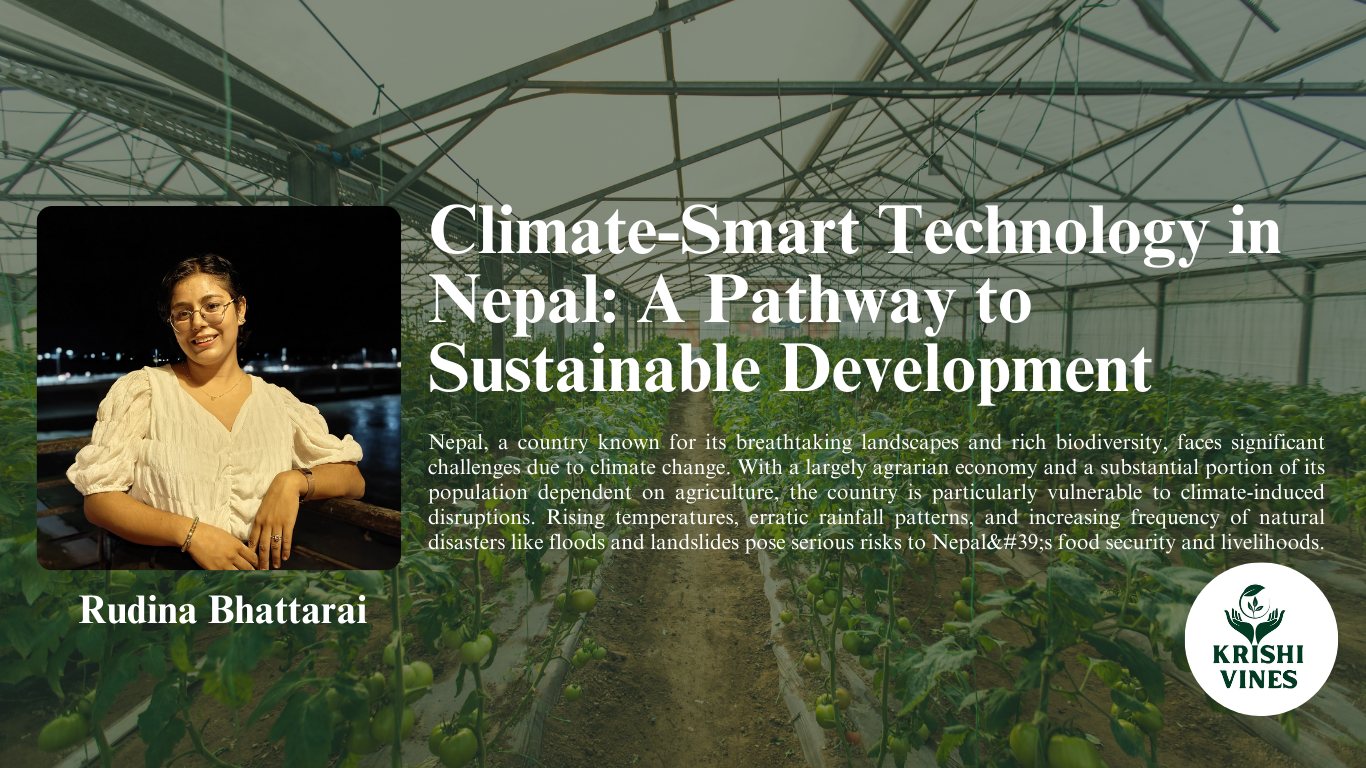
Nepal, a country known for its breathtaking landscapes and rich biodiversity, faces significant challenges due to climate change. With a largely agrarian economy and a substantial portion of its population dependent on agriculture, the country is particularly vulnerable to climate-induced disruptions. Rising temperatures, erratic rainfall patterns, and increasing frequency of natural disasters like floods and landslides pose serious risks to Nepal’s food security and livelihoods. In response, Nepal is turning to climate-smart technologies as a way to mitigate the impacts of climate change and enhance resilience. This article explores the role of climate-smart technologies in Nepal, their implementation, and the challenges and opportunities they present.
Understanding Climate-Smart Technology
Climate-smart technologies are innovations designed to increase agricultural productivity, adapt to changing climate conditions, and reduce greenhouse gas emissions. These technologies align with the broader framework of “climate-smart agriculture” (CSA), which emphasizes sustainable practices that address both the needs of communities and the environment. The adoption of climate-smart technologies in Nepal is essential for ensuring food security, improving livelihoods, and promoting sustainable development.
Some examples of climate-smart technologies include precision farming, improved irrigation systems, drought-resistant crop varieties, renewable energy solutions, and digital tools that assist in climate risk assessment and farm management. These technologies help smallholder farmers adapt to new climatic conditions while simultaneously contributing to climate mitigation efforts.
Climate Change Challenges in Nepal
Nepal’s diverse topography and geographic location make it highly susceptible to the adverse impacts of climate change. The country experiences significant variations in temperature and precipitation, leading to events like glacial retreat in the Himalayas, unpredictable monsoon patterns, and increased occurrences of extreme weather events. These changes pose challenges such as:
- Agricultural Disruptions: Agriculture is the backbone of Nepal’s economy, employing over 60% of the population. Climate change disrupts traditional agricultural practices, affecting crop yields and threatening food security. Prolonged droughts, unseasonal rains, and soil erosion hinder productivity, leaving farmers vulnerable.
- Water Scarcity: Glaciers in the Himalayas, which serve as the primary source of water for millions of people in Nepal and neighboring countries, are receding due to rising temperatures. This reduction in glacial water flow affects the availability of freshwater resources for drinking, irrigation, and hydropower.
- Increased Natural Disasters: Flooding, landslides, and soil erosion have become more common, particularly during the monsoon season. These disasters not only cause loss of lives and property but also damage farmlands, disrupting food production and the livelihoods of rural communities.
Role of Climate-Smart Technology in Nepal
To address these challenges, Nepal has been increasingly adopting climate-smart technologies that focus on sustainable agricultural practices and renewable energy solutions. Below are some of the key technologies being implemented:
1. Improved Irrigation Systems
Traditional irrigation methods in Nepal are often inefficient, leading to water wastage. Climate-smart irrigation technologies like drip irrigation, sprinkler systems, and rainwater harvesting can significantly reduce water consumption while ensuring crops receive the required moisture. The introduction of these systems has helped farmers in drought-prone areas manage water resources more effectively, thus reducing the risk of crop failure.
2. Drought-Resistant Crop Varieties
Nepal has also embraced the development and use of drought-resistant and early-maturing crop varieties. These crops are engineered to withstand prolonged dry periods and unpredictable rainfall, making them well-suited for the changing climate. For example, drought-tolerant rice and maize varieties have been introduced in the Terai region, where erratic rainfall often hampers production. These varieties ensure that farmers can maintain yields even during periods of water scarcity.
3. Agroforestry and Sustainable Land Management
Agroforestry, which integrates trees and shrubs into agricultural systems, has been a key climate-smart practice in Nepal. It helps in controlling soil erosion, maintaining soil fertility, and providing an additional source of income through products like fruits, nuts, and timber. By promoting biodiversity and improving soil health, agroforestry contributes to increased resilience of farming systems against climate shocks.
4. Renewable Energy Solutions
Nepal’s abundant natural resources offer significant potential for renewable energy, particularly hydropower, solar, and biogas. Small-scale hydropower projects have been successful in providing electricity to rural areas while minimizing environmental impacts. Solar-powered water pumps and dryers have also become popular among farmers for irrigation and post-harvest processing. These renewable energy technologies not only reduce dependence on fossil fuels but also offer sustainable energy solutions for remote communities.
5. Digital Tools and Climate Information Services
The use of digital tools for weather forecasting, early warning systems, and mobile-based advisory services has proven to be a game-changer for Nepalese farmers. These technologies provide real-time information about weather patterns, pest outbreaks, and best farming practices. By accessing this information, farmers can make informed decisions regarding planting, harvesting, and managing resources. Initiatives like Climate Information Services (CIS) have enabled communities to plan their activities better, reducing losses due to unpredictable weather.
Success Stories and Community Engagement
Several initiatives in Nepal have successfully integrated climate-smart technologies, demonstrating their potential in building resilience. For example, the “Scaling up Climate-Smart Agriculture in Nepal” project, supported by various international organizations, has helped farmers adopt practices like conservation tillage, integrated pest management, and efficient fertilizer use. These practices have resulted in higher crop yields, reduced input costs, and improved food security for communities.
Similarly, community-based forest management programs have been instrumental in promoting sustainable land use and reducing the vulnerability of rural areas to climate impacts. By involving local communities in decision-making and resource management, these programs ensure that climate-smart practices are effectively implemented and maintained over time.
Challenges in Implementing Climate-Smart Technology
Despite the progress, several challenges hinder the widespread adoption of climate-smart technologies in Nepal:
- Financial Constraints: Many smallholder farmers cannot afford the initial investment required for adopting new technologies, such as drip irrigation systems or solar pumps. Limited access to credit and financial support further exacerbates this issue.
- Lack of Awareness and Training: There is a knowledge gap among farmers regarding the benefits and proper use of climate-smart technologies. This is particularly true in remote areas where access to training and extension services is limited.
- Infrastructure Gaps: Poor infrastructure, including inadequate transportation networks and storage facilities, hampers the distribution and effective use of climate-smart tools and inputs. This challenge is compounded by Nepal’s rugged terrain, which makes it difficult to reach remote farming communities.
- Policy and Institutional Barriers: While Nepal has developed policies to support climate resilience and sustainable agriculture, effective implementation remains a challenge. Coordination among various governmental and non-governmental actors is often lacking, slowing down progress.
Opportunities and the Way Forward
The integration of climate-smart technologies in Nepal presents numerous opportunities for building a resilient agricultural sector. By scaling up successful pilot projects and promoting public-private partnerships, Nepal can accelerate the adoption of these technologies across the country. Strengthening community-based initiatives and providing targeted financial support to smallholder farmers will be crucial in this effort.
Investing in research and development to adapt technologies to local conditions is equally important. By focusing on indigenous knowledge and blending it with modern innovations, Nepal can develop context-specific solutions that are more effective and sustainable. Additionally, greater collaboration with international organizations and neighboring countries can help Nepal access technical expertise and funding for climate adaptation efforts.
Conclusion
Climate-smart technology holds the key to addressing the challenges posed by climate change in Nepal. Through the adoption of innovative practices, improved resource management, and the use of renewable energy, Nepal can build a more resilient and sustainable agricultural system. However, realizing this vision requires a concerted effort from all stakeholders, including the government, local communities, and international partners. With the right investments and strategies, Nepal can harness the potential of climate-smart technologies to secure a sustainable future for its people and the environment.