


In a groundbreaking initiative from IAAS Nepal, farmers in Macchapucchre Municipality, Kaski, Nepal, are turning the invasive weed Eupatorium adenophorum, locally known as Banmara or “forest killer,” into biochar to enhance soil health and combat agricultural challenge caused by the fluctuations of temperature. Eupatorium adenophorum also known as Banmara has rapidly colonized fertile lands in the mid-hills of Nepal, suppressing native plant growth and significantly reducing agricultural productivity. Farmers have struggled to manage this invasive species, which not only covers arable land but also devalues it, often cutting the land’s worth in half. The weed’s allelochemicals make it unsuitable for livestock fodder, which exacerbate the challenges faced by smallholders with limited land for cultivation.This weed plants also struggles with native species and suppress their growth which reduces biodiversity of the place.
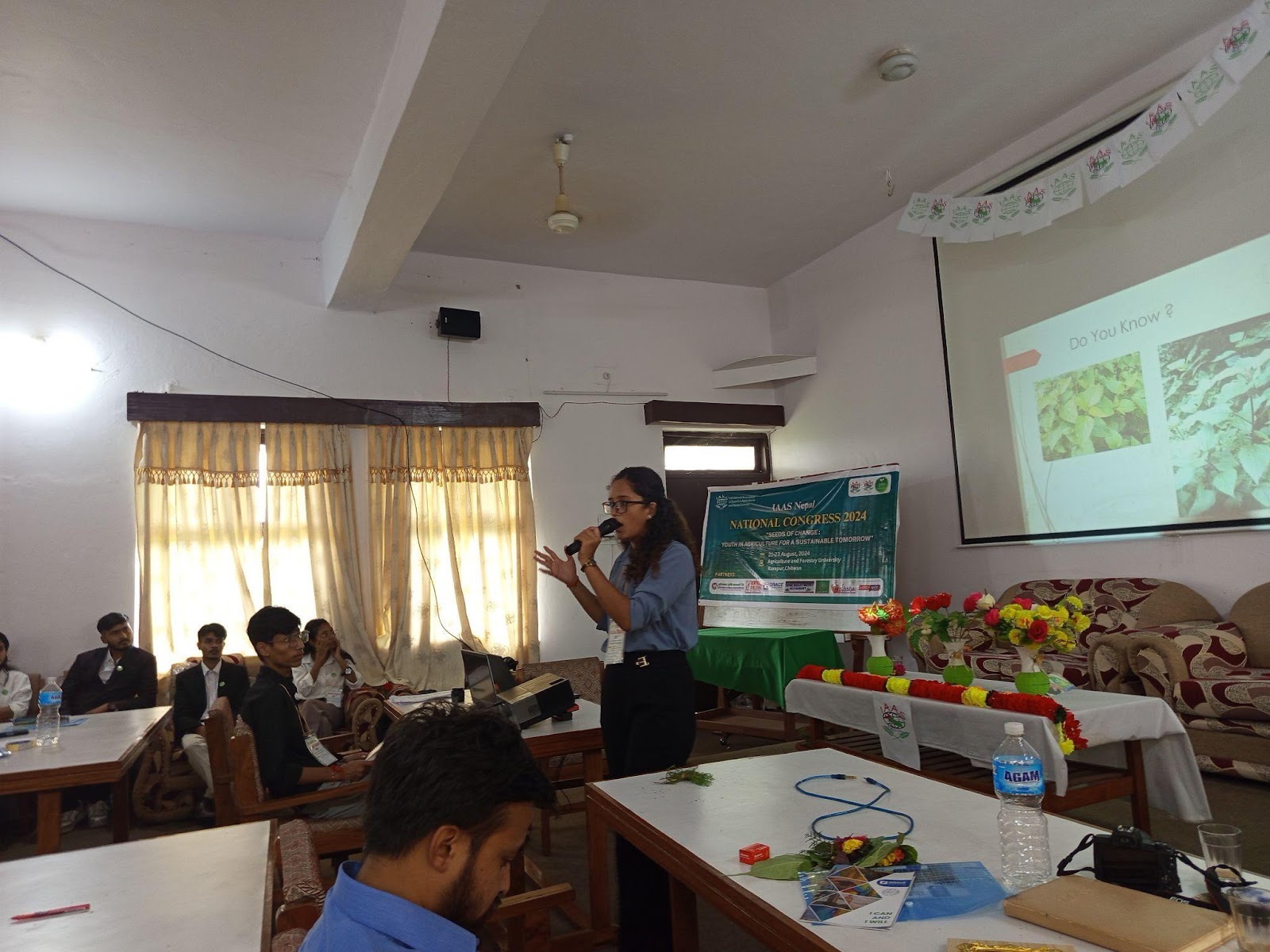
The project organizer IAAS Nepal team had mentioned that they aim to address these pressing issues of land invasion with exotic species by demonstrating the method of biochar preparation from this invasive plant. Biochar, which was created through pyrolysis, can improve soil fertility and structure while also sequester carbon in the long run. When it is mixed with soil, it improves the physical and chemical properties of the soil. During the training sessions, farmers learned about the biochar production process and its application in their fields. Not only this, farmers learnt about biochar preparations; they also get acquainted with climate resilient practices like agroforestry, strip cropping, cover cropping, and composting. Apart from this, a field trial was done in lamjung campus in maize for the validation of biochar and its efficacy at field level. A researcher in biochar from lamjung campus, dhiran mentioned “application of biochar has really shown an impactful result which I never imagined. Although it improves the yield in the short run when mixed with fertilizers, in the long run I am sure that it will improve the physical and chemical properties of the soil. A field trial was conducted in Sundar Bazar using biochar derived from Eupatorium adenophorum. Initial results have shown promising improvements in soil quality and crop yield, leading to increased farmer satisfaction. Later biochar stoves were distributed to early adopters within the community of bhedabari to facilitate this innovative practice.
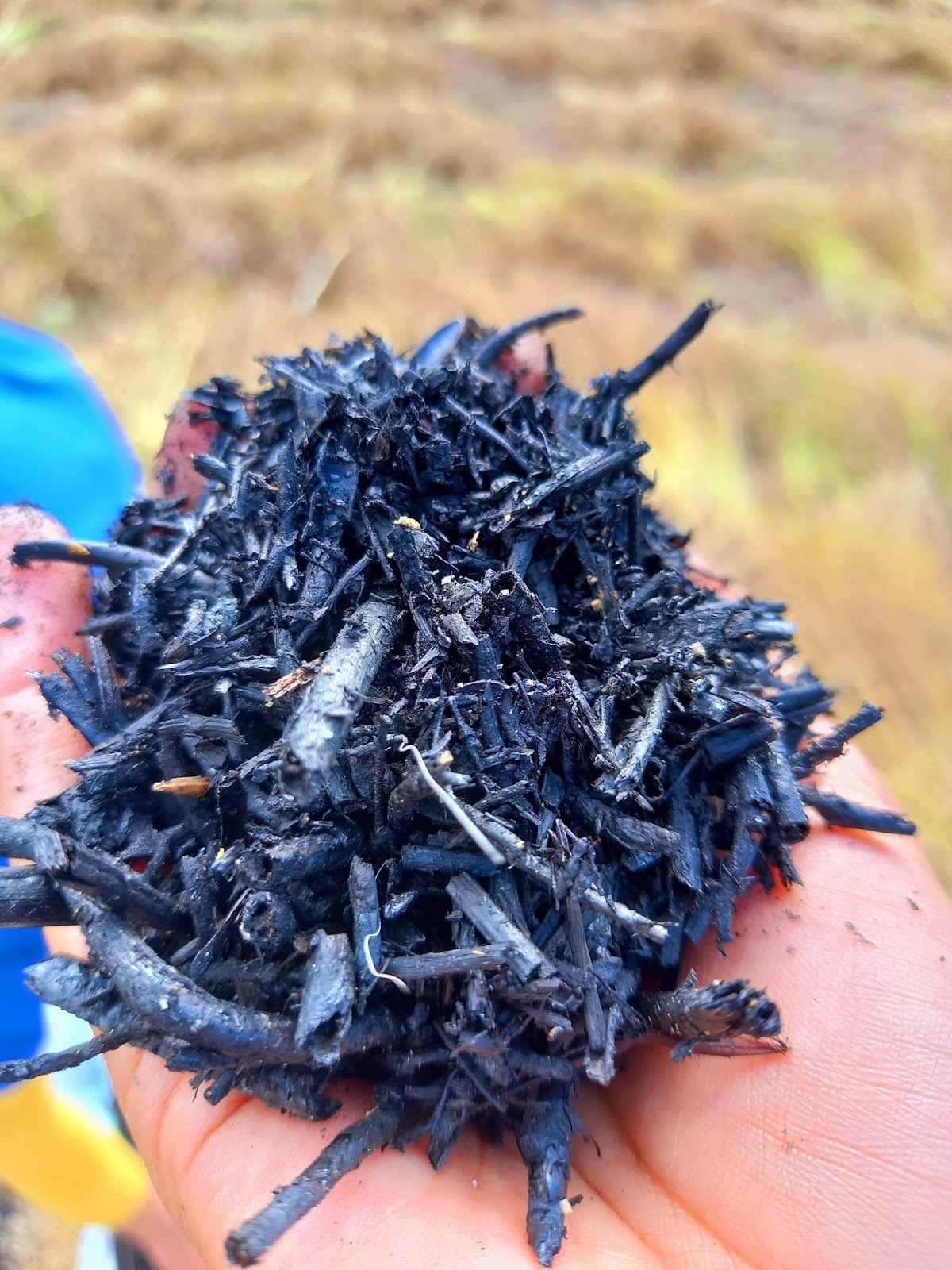
Nepal being a vulnerable region to climate change impacts, with erratic rainfall patterns and increased soil erosion and ultimately threatening food security. By integrating biochar into their farming practices, these smallholder farmers are taking steps towards sustainable agriculture while managing invasive species effectively. The use of biochar holds up the nutrients and water in the soil and improves the structure of the soil. In the long term it acts as the buffer in soil and improves the overall fertility of the soil. When it is mixed with the other fertilizers and manure it improves long term fertility of the soil.
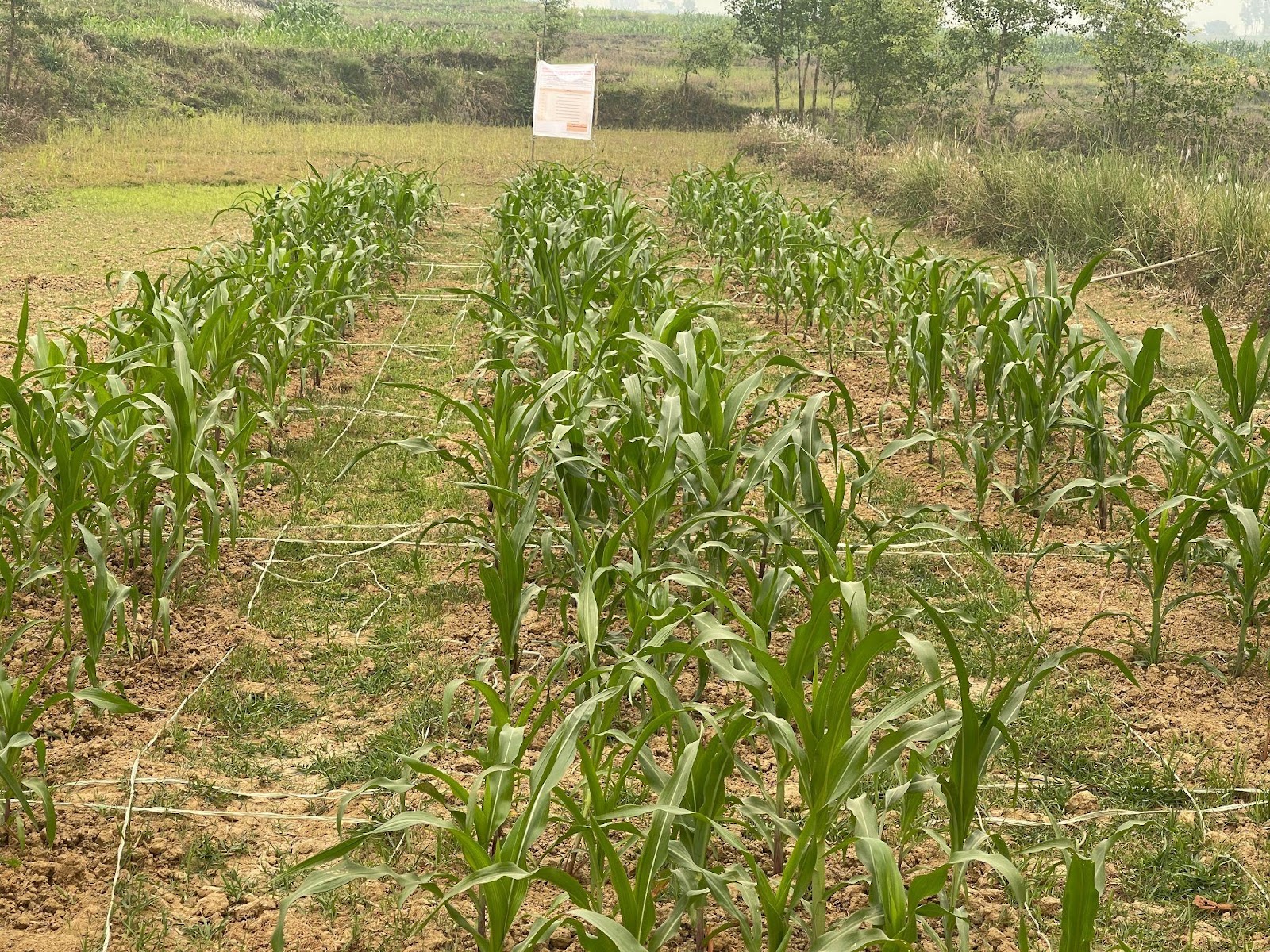
This project not only empowers local farmers but also highlights a sustainable approach to tackling ecological challenges posed by invasive plants. As the initiative progresses, it could serve as a model for similar efforts across Nepal and beyond, promoting resilience in agricultural systems facing the dual threats of invasive species and climate change.