1. Introduction
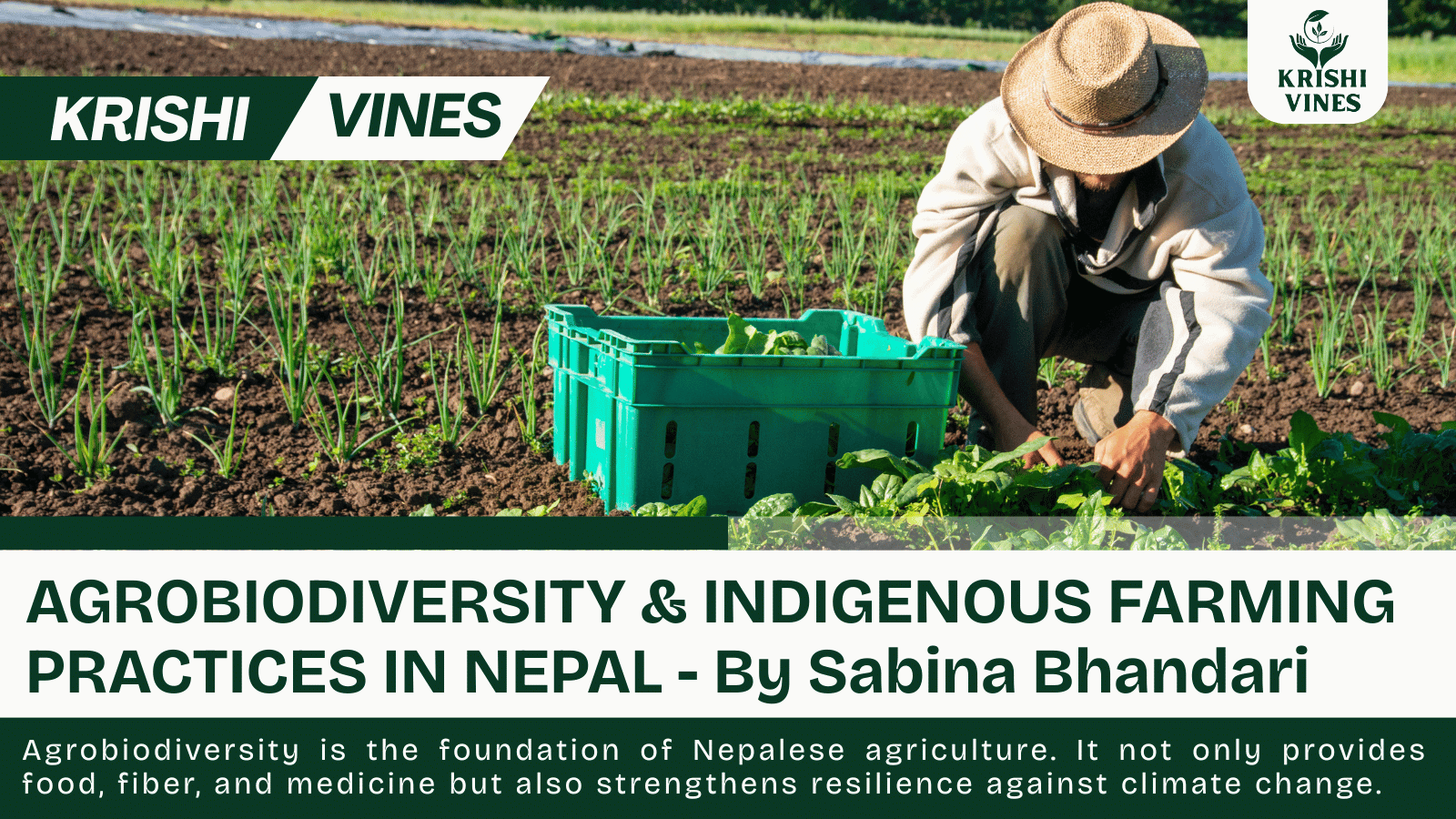
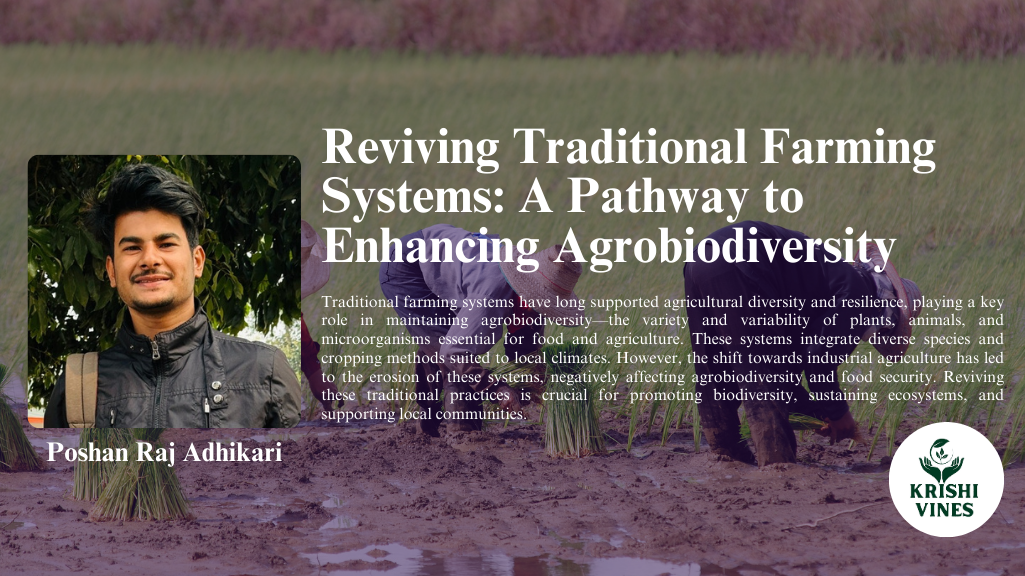
Traditional farming systems have long supported agricultural diversity and resilience, playing a key role in maintaining agrobiodiversity the variety and variability of plants, animals, and microorganisms essential for food and agriculture. These systems integrate diverse species and cropping methods suited to local climates. However, the shift towards industrial agriculture has led to the erosion of these systems, negatively affecting agrobiodiversity and food security. Reviving these traditional practices is crucial for promoting biodiversity, sustaining ecosystems, and supporting local communities.
2. Importance of Traditional Farming Systems
Traditional farming systems offer a variety of benefits that contribute to agricultural sustainability. They enhance soil fertility, promote crop diversity, and increase resilience to climate change. These systems often use minimal chemical inputs, reducing pollution and conserving natural resources. Traditional practices also support local economies by preserving indigenous knowledge and fostering community-based farming models (Liu et al., 2022). Reviving these systems is essential for promoting environmental and socioeconomic stability.
3. Agrobiodiversity and Ecosystem Services
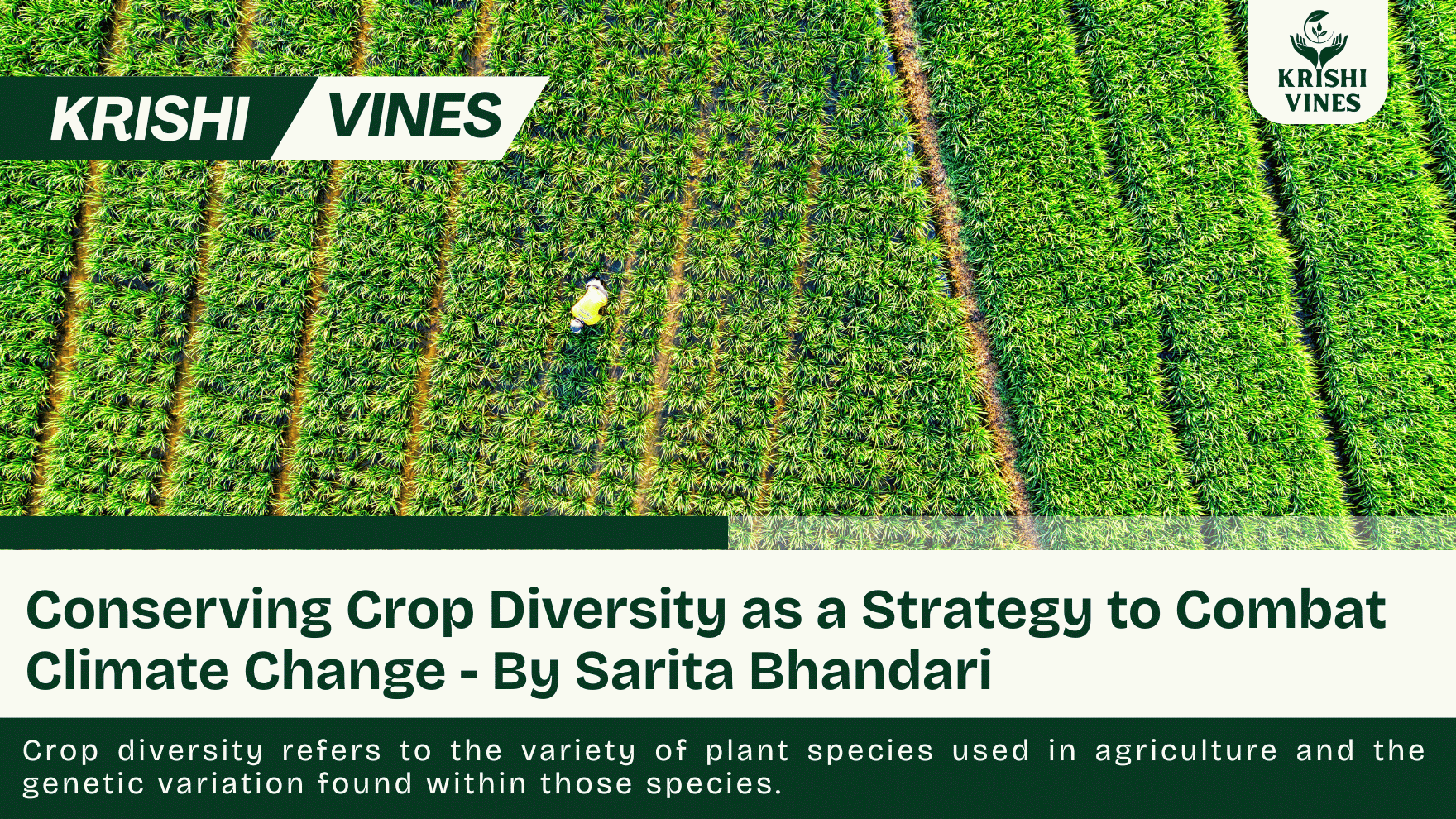
Agrobiodiversity is crucial for ensuring long-term food security and maintaining the stability of ecosystems. Traditional farming practices promote crop and species diversity, which helps to enhance ecosystem services such as pollination, nutrient cycling, and pest control (Dahlin et al., 2021). These services are critical for the overall health of agricultural landscapes and contribute to resilience against environmental shocks such as droughts or floods.
4. Challenges and Threats
The main challenges to reviving traditional farming systems include land degradation, loss of traditional knowledge, and economic pressures from global markets favoring industrial agriculture. Additionally, the decline of traditional seed varieties and reliance on monocultures has reduced the genetic diversity necessary for adapting to climate variability (Svensson & Dahlin, 2021). Efforts to restore traditional systems require strong community engagement, policy support, and investments in sustainable agricultural practices.
5. Case Studies in Agrobiodiversity
Research from various regions highlights successful efforts to revive traditional farming methods. For instance, in Mexico, traditional maize farming has been revitalized through community-based conservation practices, enhancing local agrobiodiversity (Liu et al., 2022). Similar initiatives in Nepal, India, and parts of Africa have demonstrated the potential of traditional systems to coexist with modern practices, contributing to biodiversity conservation and food sovereignty.
6. Policy Implications and Future Directions
To effectively revive traditional farming systems, governments and organizations must support policies that promote agrobiodiversity conservation. This includes providing incentives for farmers to adopt traditional practices, preserving indigenous knowledge, and fostering participatory approaches to agricultural development (Ren et al., 2022). Strengthening partnerships between local communities, researchers, and policymakers will be essential in scaling up successful models.
7. Conclusion
The revival of traditional farming systems represents a vital strategy for enhancing agrobiodiversity and promoting sustainable agriculture. By integrating traditional practices with modern technologies, we can foster resilient agricultural landscapes that support biodiversity, ensure food security, and protect the environment for future generations. Collaboration among farmers, researchers, and policymakers will be critical to achieving these goals.
References
Dahlin, J., & Svensson, E. (2021). Revitalizing Traditional Agricultural Practices: Conscious Efforts to Create a More Satisfying Culture. Sustainability, 13(20), 11424.
Liu, Y., Ren, X., & Lu, F. (2022). Research Status and Trends of Agrobiodiversity and Traditional Knowledge Based on Bibliometric Analysis (1992–Mid-2022). Diversity, 14(11), 950.
Ren, X., Liu, Y., & Lu, F. (2022). Agrobiodiversity and Traditional Farming Systems: Exploring the Role of Indigenous Knowledge in Sustainable Development. Journal of Ethnobiology, 38(2), 123-145.